DIY vs. Professional Plumbing Repairs – When to Call a Plumber
Plumbing issues are bound to pop up in any home, but the big question is: should you tackle the problem yourself or call in a professional? While some small plumbing tasks are easy DIY fixes, others can quickly become costly disasters if not handled correctly. Knowing when to grab your toolbox and when to call a plumber can save you time, money, and a lot of stress.
DIY Plumbing Repairs You Can Handle
Not all plumbing problems require a professional. Here are a few tasks homeowners can safely take on:
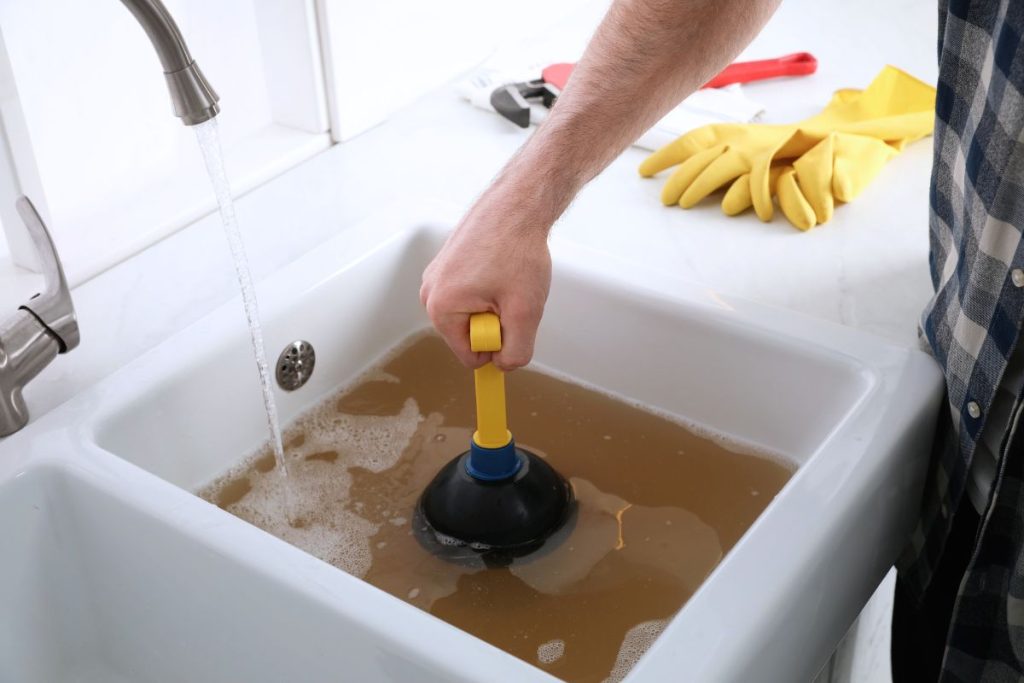
1. Unclogging a Drain
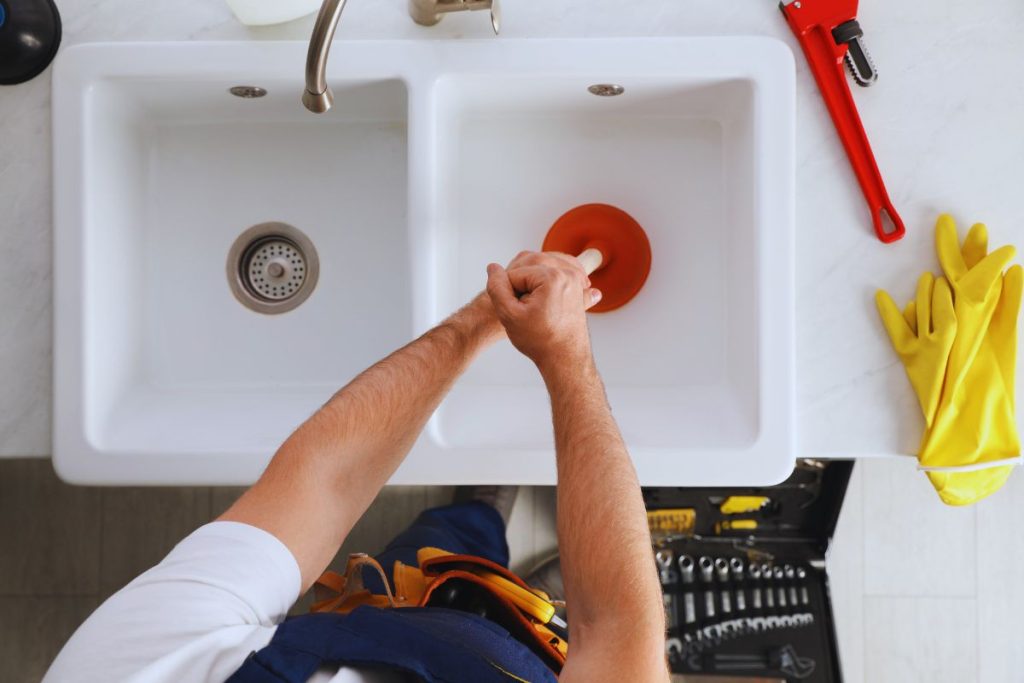
A slow drain? Try using a plunger or a drain snake before reaching for harsh chemicals. A baking soda and vinegar mix can also help break up minor clogs.
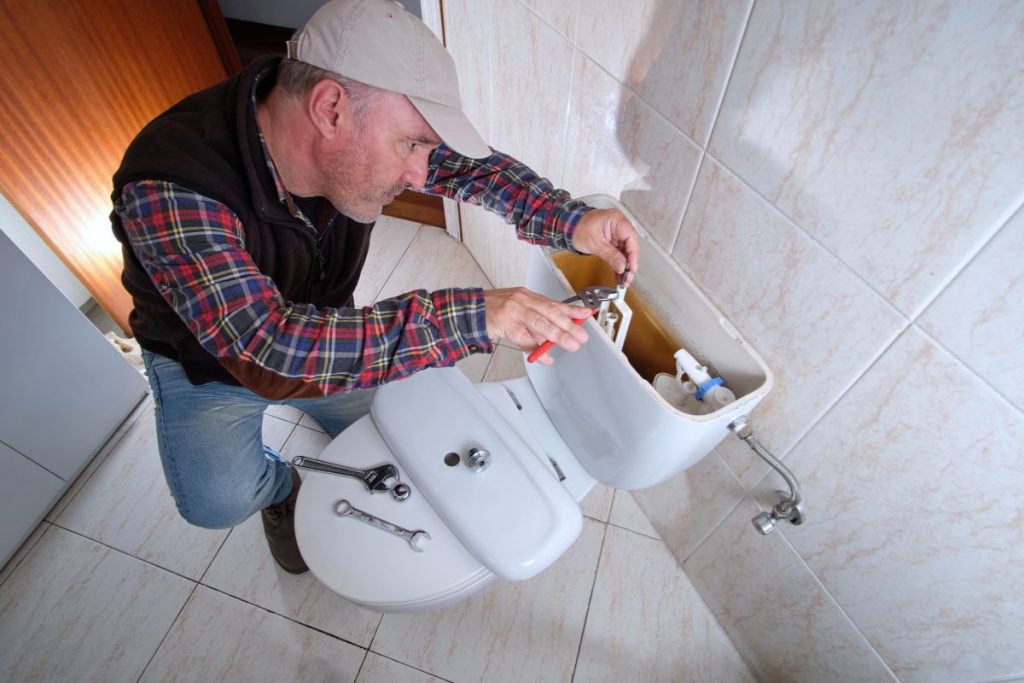
2. Fixing a Running Toilet
Often, a running toilet is due to a worn-out flapper or a faulty fill valve, both of which are easy to replace with a quick trip to the hardware store.
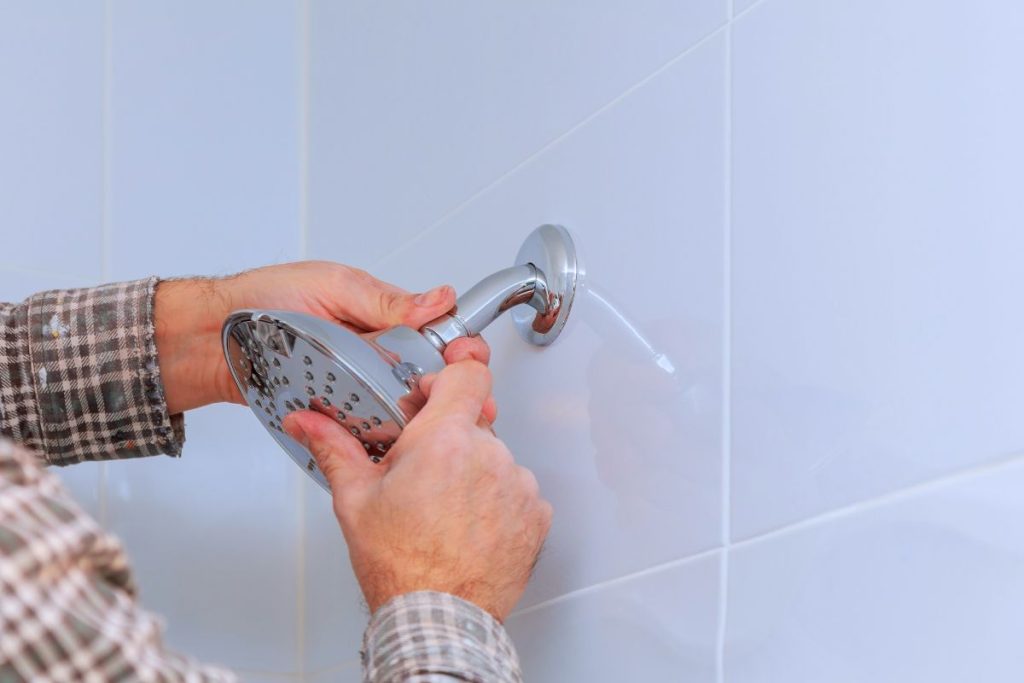
3. Replacing a Showerhead or Faucet
If you have basic tools and follow instructions carefully, swapping out an old showerhead or leaky faucet is a simple job.
4.Sealing Small Pipe Leaks
Temporary fixes like plumber’s tape or epoxy putty can buy you some time before calling in a professional.
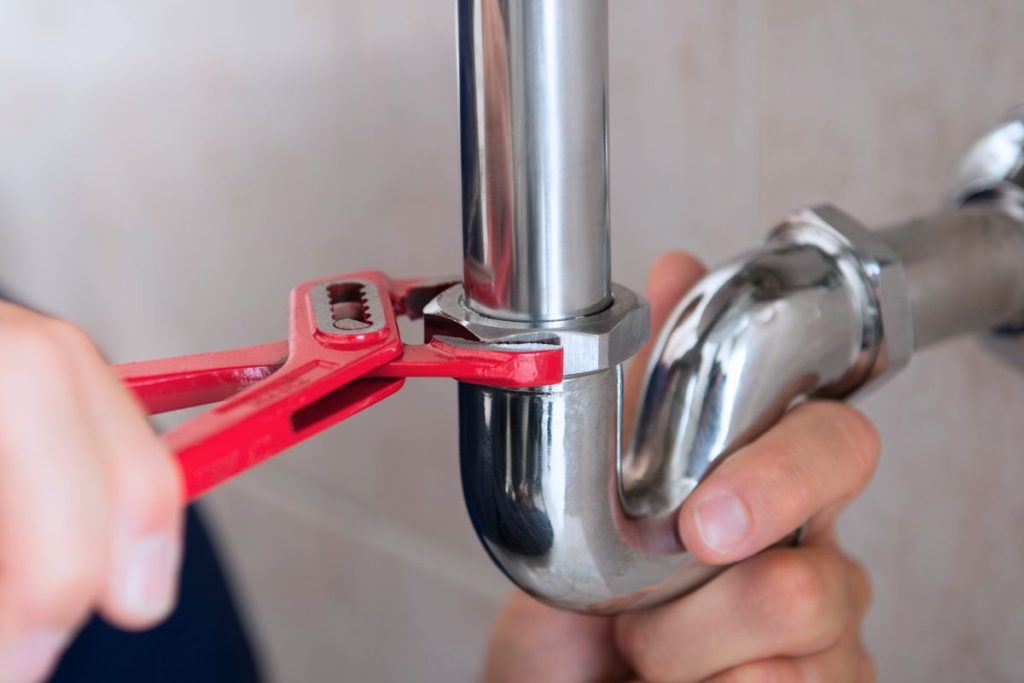
5. Cleaning Out P-Traps
If your sink is clogged, removing and cleaning the U-shaped pipe under the sink is a relatively easy fix.
When to Call a Plumber 🚨
Some plumbing problems require expert knowledge, specialized tools, and a professional touch. Here’s when you should put down the wrench and call a licensed plumber:
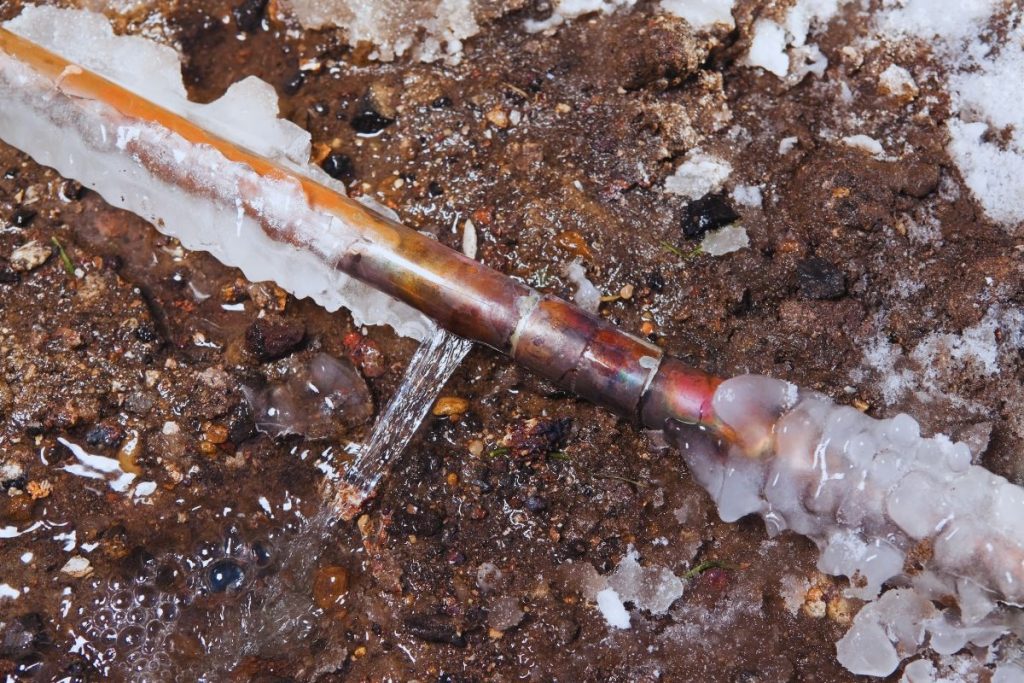
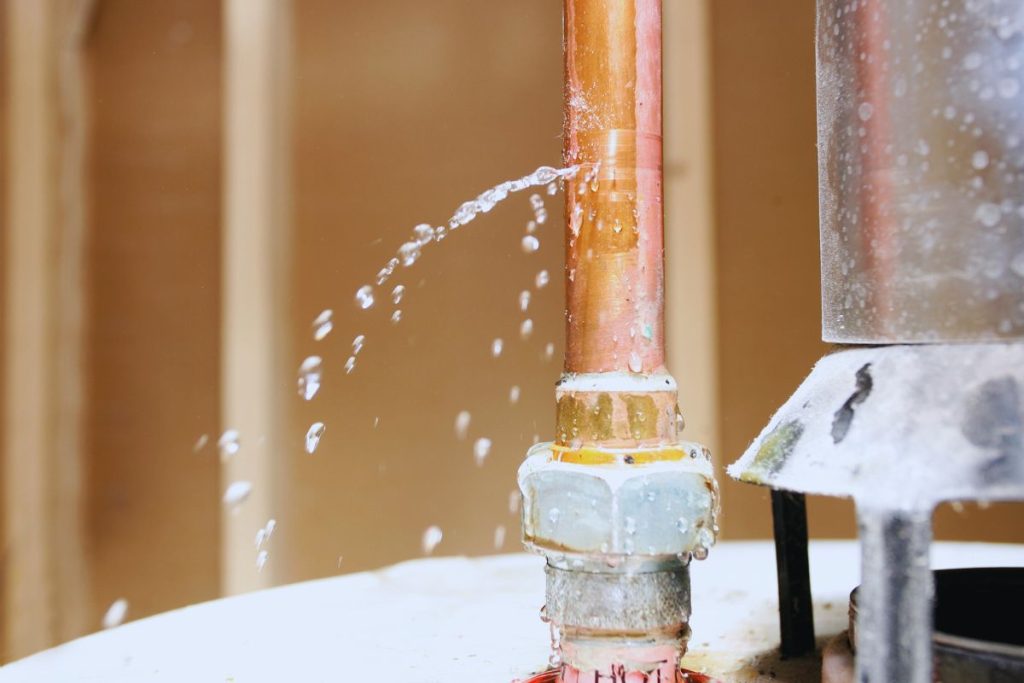
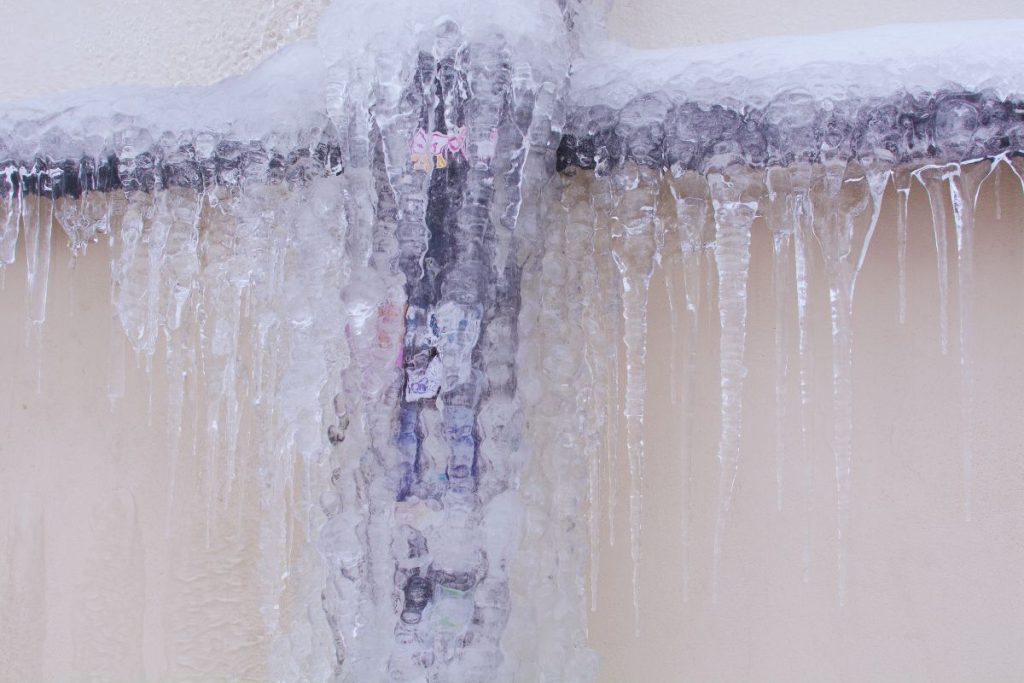
🚫 Burst Pipes – A burst pipe can cause major water damage in minutes. Shut off your main water supply and call a plumber immediately.
🚫 Major Leaks or Water Damage – If you notice water stains on walls or ceilings, there may be a hidden leak that requires professional attention.
🚫 Sewer Line Issues – If multiple drains in your home are backing up, you could have a serious sewer line problem. Avoid DIY fixes and call a pro to assess the situation.
🚫 Low Water Pressure – If your water pressure suddenly drops and it’s not an issue with your main supply, a plumber can diagnose and fix the problem.
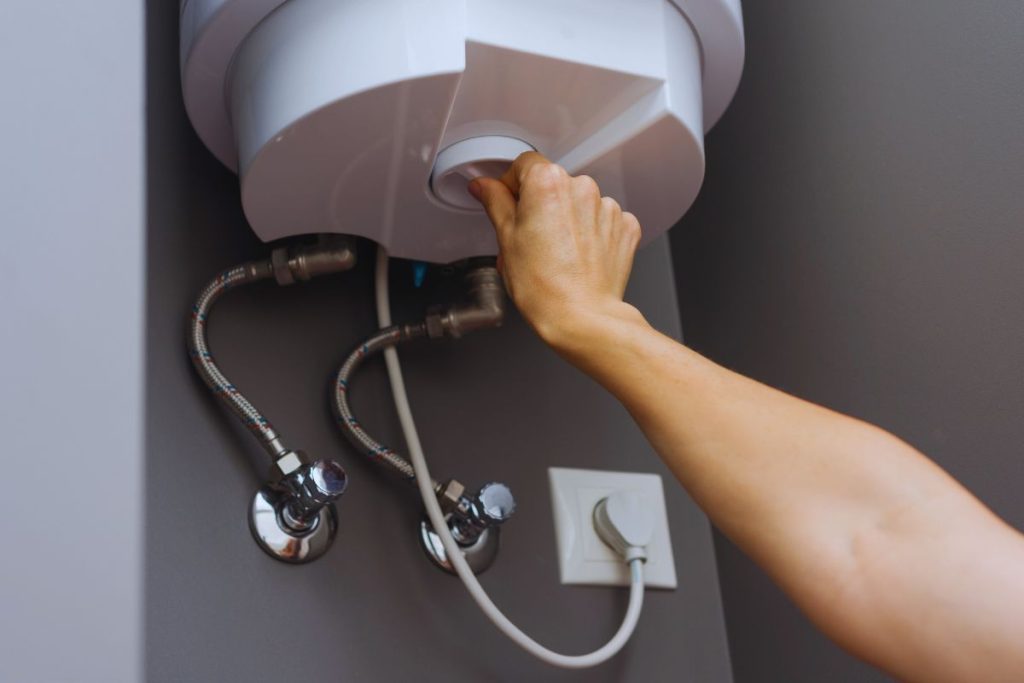
🚫 Water Heater Repairs – Working on water heaters can be dangerous if you don’t have experience. If your water heater is leaking, making strange noises, or not heating properly, call an expert.
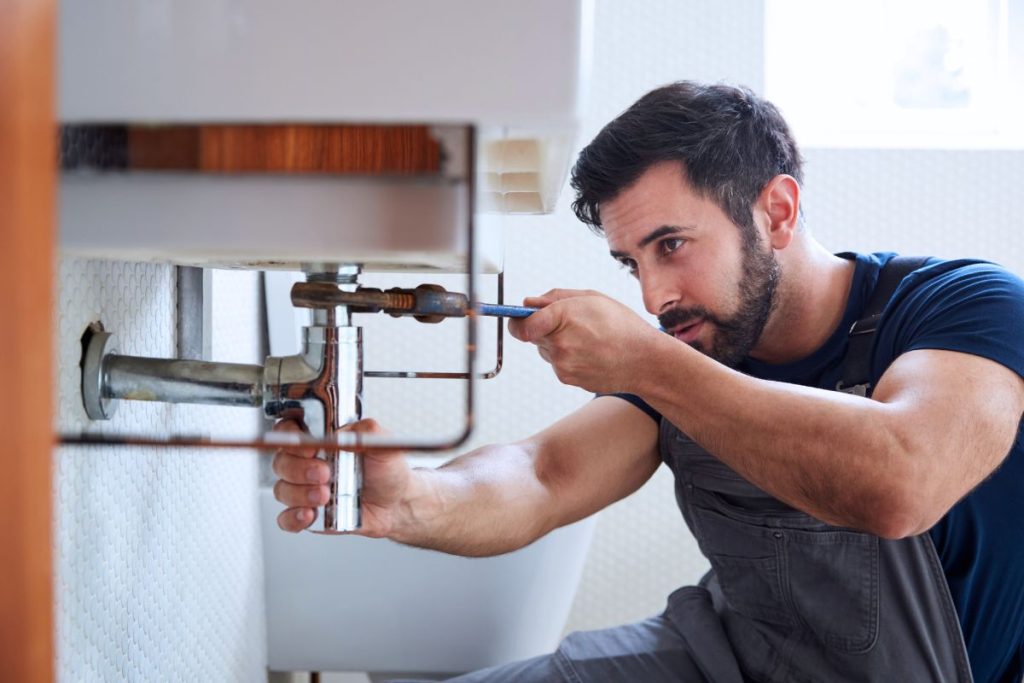
🚫 Bathroom or Kitchen Renovations – Installing new plumbing fixtures during a remodel requires proper setup to prevent leaks and future damage. A professional plumber ensures everything is installed correctly.
Final Thoughts: Know Your Limits!
DIY plumbing can be a great way to save money, but only if you’re confident in what you’re doing. If a repair seems too complicated or risky, it’s always best to call in a professional to prevent bigger issues down the line.
💡 Not sure if you need a plumber? Contact Siegfried Plumbing for a free consultation. We’ll help you determine whether it’s a quick fix or something best left to the pros! 🔧
Spring Plumbing Checklist: 7 Essential Maintenance Tips for a Problem-Free Home
Spring is here! As the temperatures rise and the snow melts away, it’s the perfect time to give your plumbing some much-needed attention. Winter can be tough on your pipes, and a little maintenance now can save you from big headaches later. Follow this Spring Plumbing Checklist to keep your home’s plumbing in top shape and avoid unexpected issues.
1. Check for Winter Pipe Damage
Cold weather can be brutal on your pipes. Freezing temperatures may have caused cracks or leaks that could lead to bigger problems if left unchecked.
What to do:
Inspect exposed pipes in your basement, crawl spaces, and under sinks.
Look for any moisture, discoloration, or mold growth around pipes.
If you spot a leak, get it repaired ASAP to prevent water damage.
2. Test Your Sump Pump
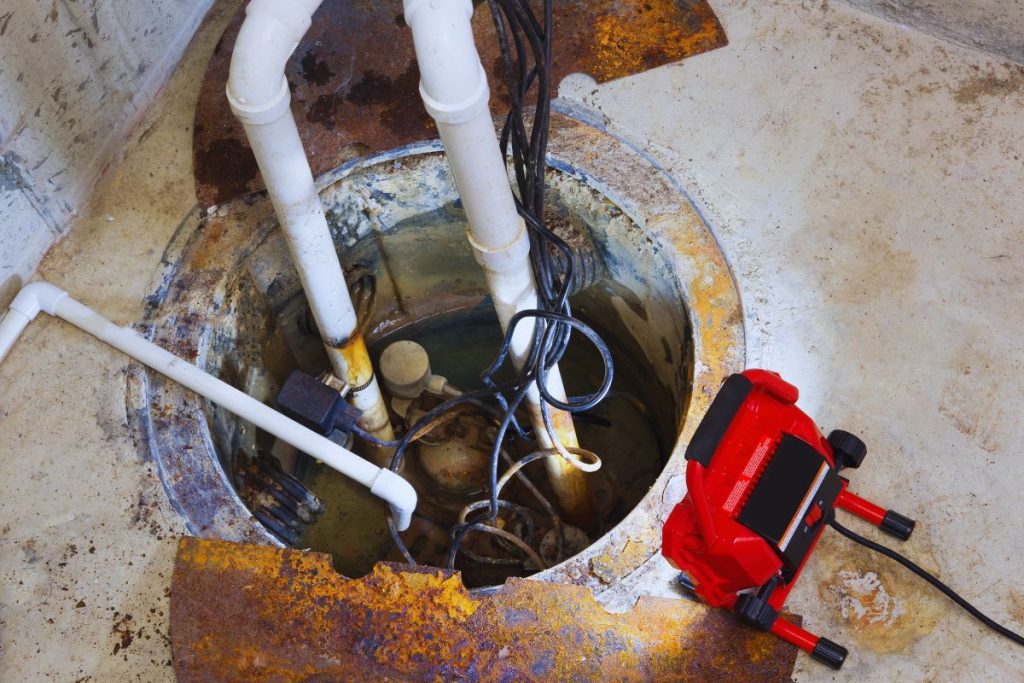
Spring showers bring more than just flowers—they can also bring basement flooding if your sump pump isn’t working properly.
What to do:
Pour a bucket of water into the sump pit to see if the pump kicks on.
Ensure the discharge line is free of debris and directs water away from your home.
If your sump pump isn’t functioning, have it serviced or replaced before heavy rains hit.
3. Inspect Outdoor Faucets & Hoses
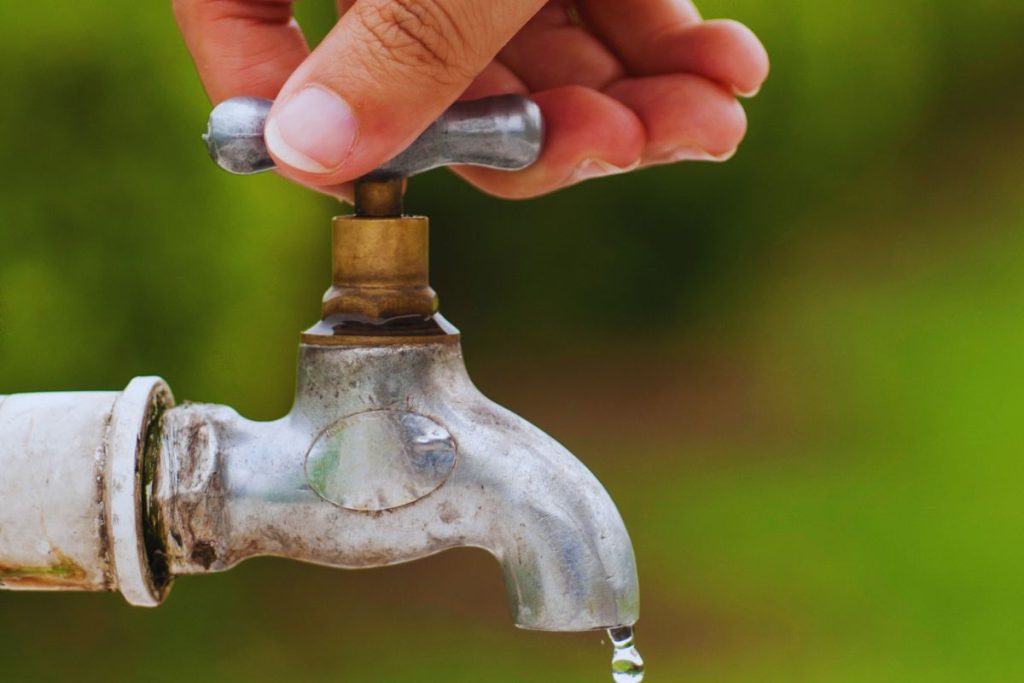
Outdoor faucets and garden hoses can crack or leak after a long winter, causing wasted water and potential damage.
What to do:
Turn on outdoor faucets and check for leaks or weak water pressure.
Examine garden hoses for cracks or holes.
Replace damaged parts before regular watering season begins.
4. Clean Your Gutters & Downspouts
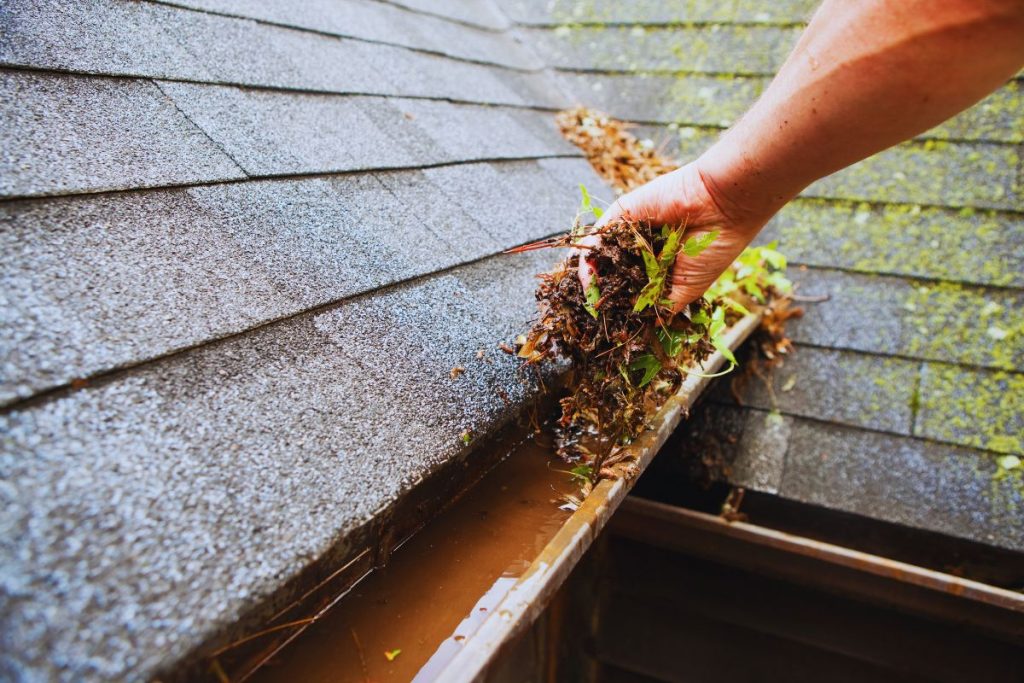
Clogged gutters can lead to water backups, roof damage, and even basement leaks.
What to do:
Remove leaves, dirt, and debris from gutters and downspouts.
Make sure downspouts direct water at least 3-4 feet away from your foundation.
Consider installing gutter guards to keep them cleaner longer.
5. Check for Slow Drains
Winter can lead to buildup in your drains from grease, soap, and debris. Now’s the time to get things flowing smoothly again.
What to do:
Run water in all sinks and tubs to check for slow drainage.
Use a mixture of baking soda and vinegar followed by hot water to clear minor clogs.
If you notice persistent clogs, call a plumber to prevent bigger blockages.
6. Look for Hidden Leaks
Small leaks can go unnoticed but lead to mold, mildew, and water damage over time.
What to do:
Check under sinks, around toilets, and behind appliances like dishwashers and washing machines.
Look for any signs of water damage, like peeling paint or warped cabinets.
If you find a leak, get it fixed before it becomes a costly repair.
7. Flush Your Water Heater
Sediment buildup in your water heater can reduce efficiency and even shorten its lifespan.
What to do:
Turn off the power or gas supply before flushing.
Attach a hose to the drain valve and let the water run until it’s clear.
If your water heater is older or making strange noises, consider having it serviced.
Final Thoughts 💡
Taking the time to check your plumbing each spring can prevent costly repairs and unexpected problems down the road. By following these simple maintenance steps, you can keep your home’s plumbing system running efficiently all season long. If you notice any issues or need professional assistance, don’t hesitate to reach out to a trusted plumber—Siegfried Plumbing has your back! We’re here to help homeowners in Courtenay, BC, with expert service and reliable solutions.
Need a hand? Give us a call today and let’s get your plumbing back in top shape!
5 Common Plumbing Problems and How to Prevent Them
Let’s be honest—dealing with plumbing problems is no fun. But the good news? Many common plumbing issues can be prevented with a little know-how and regular maintenance. Whether you’re a homeowner here in Courtenay/Comox, or just want to avoid a plumbing emergency, we’ve got your back! Here are five of the most common plumbing problems and how you can keep them from turning into a disaster.
1. Leaky Faucets
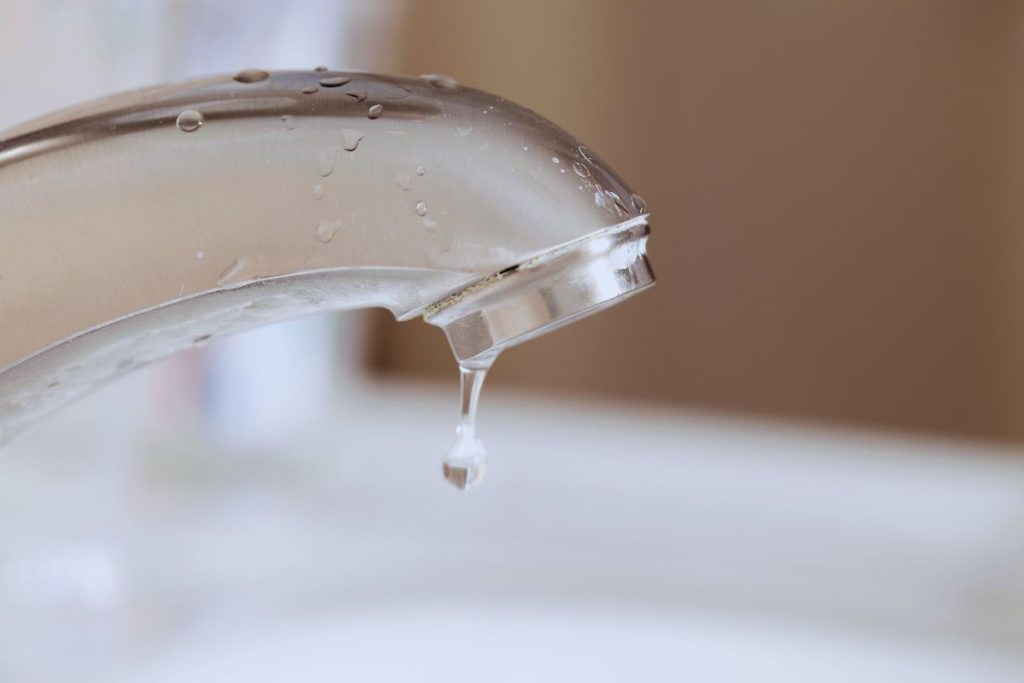
Ever hear that annoying drip, drip, drip in the middle of the night? A leaky faucet isn’t just a minor nuisance—it can waste gallons of water and spike your water bill.
How to Prevent It: Check your faucet’s washers and seals regularly. If you notice wear and tear, replace them before the leak starts. Bonus tip: Turn off faucets gently to avoid unnecessary stress on the components.
2. Clogged Drains
Do you have slow-draining sinks and tubs? It can be a sign of buildup—whether it’s hair, soap scum, food scraps, or grease.
How to Prevent It:Use drain covers to catch debris before it causes a clog. Avoid pouring grease down the kitchen sink, and flush drains with hot water and baking soda every few weeks to keep things flowing smoothly. Don’t be afraid to occasionally roll up your sleeves and clear any hair and debris from the drain as well.
3. Running Toilets
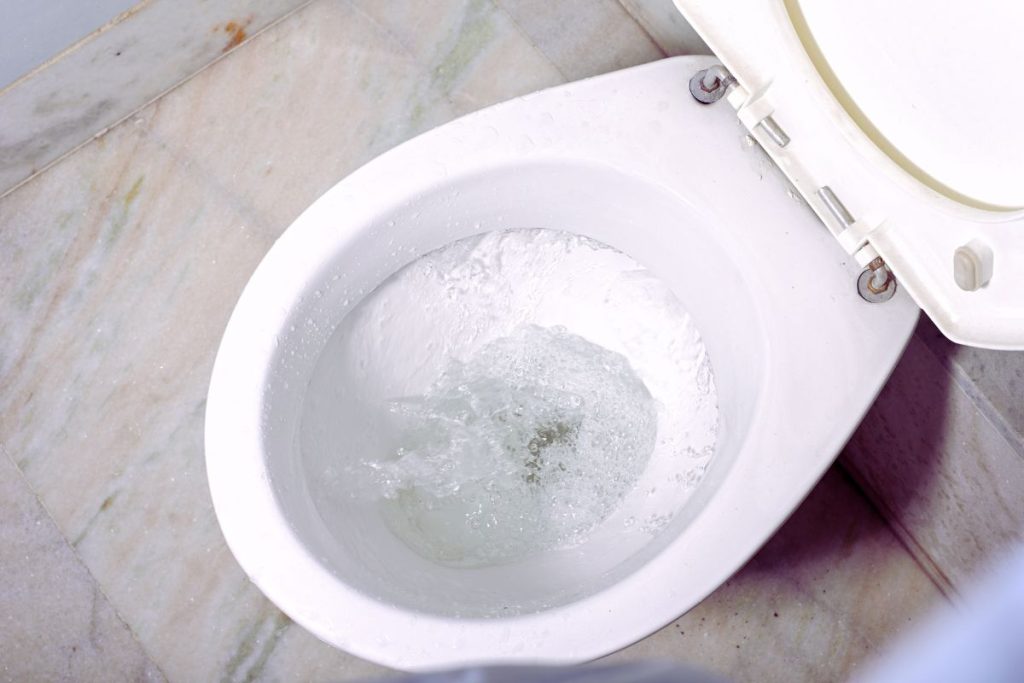
A running toilet can waste dozens of liters of water a day (ouch!). Usually, it’s due to a worn-out flapper or an issue with the fill valve.
How to Prevent It:Listen for running water and check inside the tank. If the flapper isn’t sealing properly, replace it—it’s a quick, inexpensive fix that can save you money in the long run.
4. Low Water Pressure
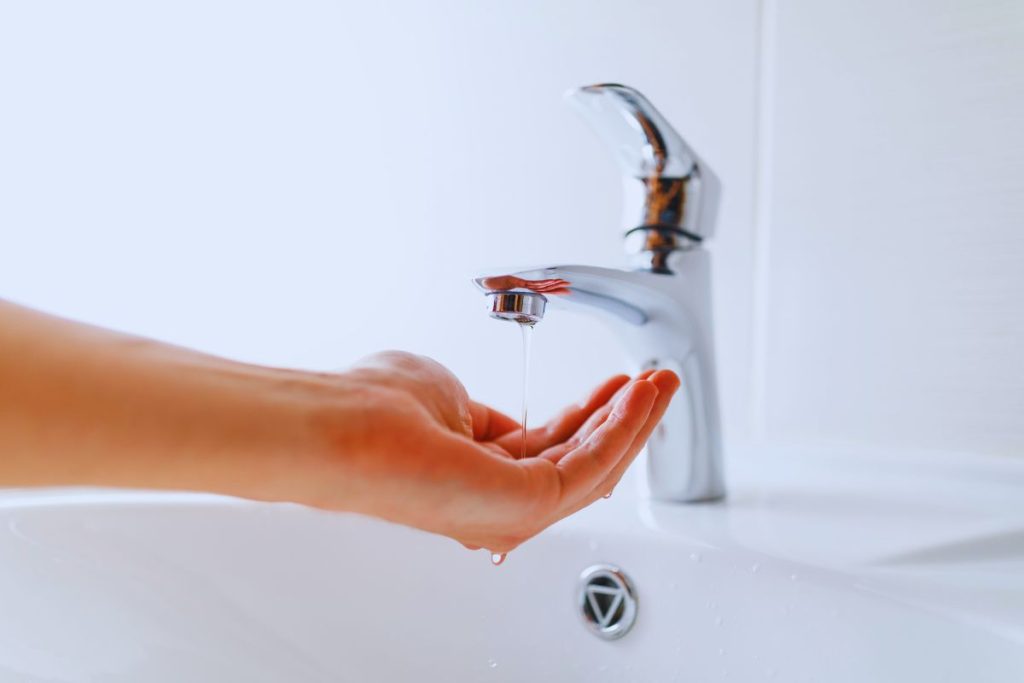
Struggling to rinse the shampoo out of your hair? Low water pressure can be caused by mineral buildup, pipe leaks, or faulty fixtures.
How to Prevent It: Regularly clean your showerheads and faucets with vinegar to remove mineral deposits. If you notice a sudden drop in pressure, check for hidden leaks or contact a local plumber to inspect your pipes.
5. Burst Pipes in Winter
Cold temperatures can cause pipes to freeze and burst, leading to costly water damage.
How to Prevent It: Insulate exposed pipes, especially in unheated areas like basements and garages. On freezing nights, keep cabinet outdoor faucets drip slightly to prevent freezing.
Final Thoughts 💡
Plumbing problems might be common, but that doesn’t mean they have to ruin your day—or your budget! A little preventative care can go a long way in keeping your home’s plumbing system running smoothly. By staying on top of small issues before they turn into big headaches, you can save yourself time, money, and a whole lot of stress.
Of course, sometimes plumbing problems happen when you least expect them. If you ever find yourself dealing with a leaky faucet, clogged drain, or a plumbing emergency, don’t panic—Siegfried Plumbing has your back! We’re here to help homeowners in Courtenay, BC, with expert service and reliable solutions.
Need a hand? Give us a call today and let’s get your plumbing back in top shape!