Call Us

What Counts as a Plumbing Emergency? | Comox Valley

What Counts as a Plumbing Emergency in the Comox Valley? (And When It Can Wait Until Morning)

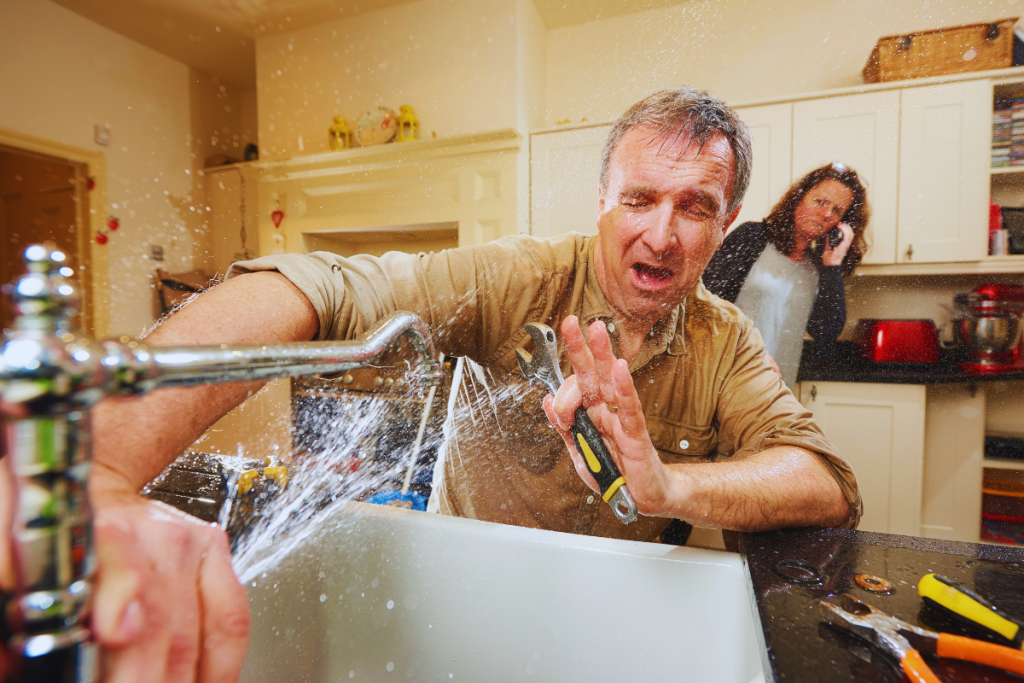
You hear water running where it shouldn’t be. Or a toilet won’t stop running. Or you wake up to a slow drip behind a wall. The question every homeowner asks at moments like this is the same one: is this actually a plumbing emergency, or can it wait until morning?

The honest answer matters. A real emergency means shutting off the water, picking up the phone, and getting a plumber out today. Something that can wait usually saves you money and lets you sleep — without making the problem worse overnight.

Here’s how one Comox Valley plumber sees it, based on 25+ years in the trade.

What Counts as a Real Plumbing Emergency?

A real plumbing emergency is anything that’s actively damaging your home, putting someone at risk, or shutting off water and waste service entirely. If water is pouring into the house, if you smell gas, if sewage is backing up, or if no water is coming out of any tap — that’s an emergency. Most other plumbing problems can wait a few hours without making things worse.

The five situations that always need a same-day response:

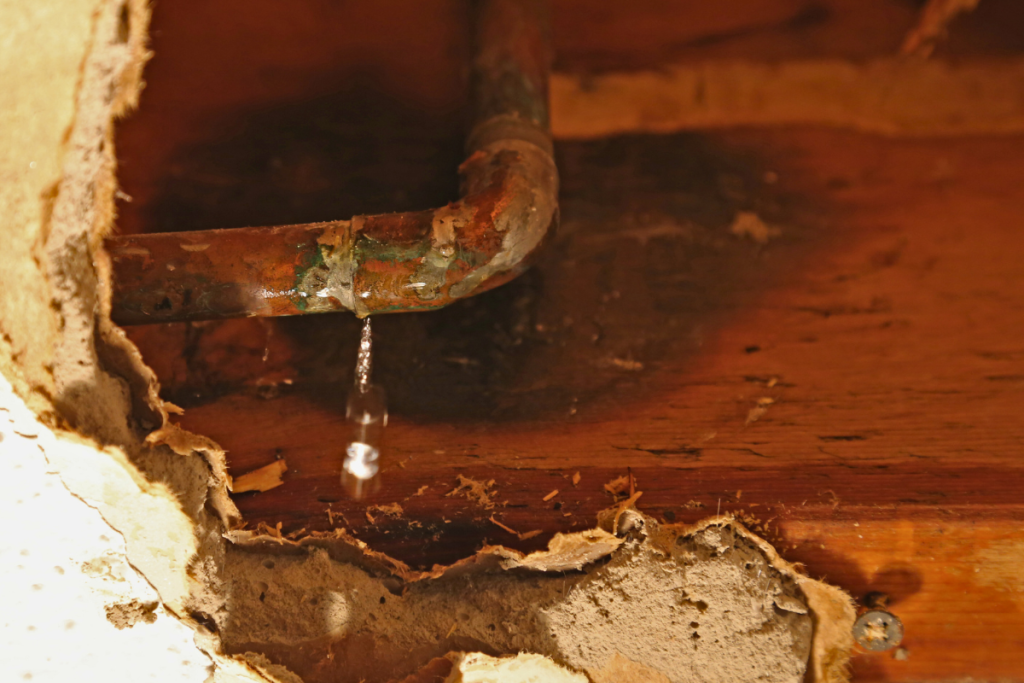
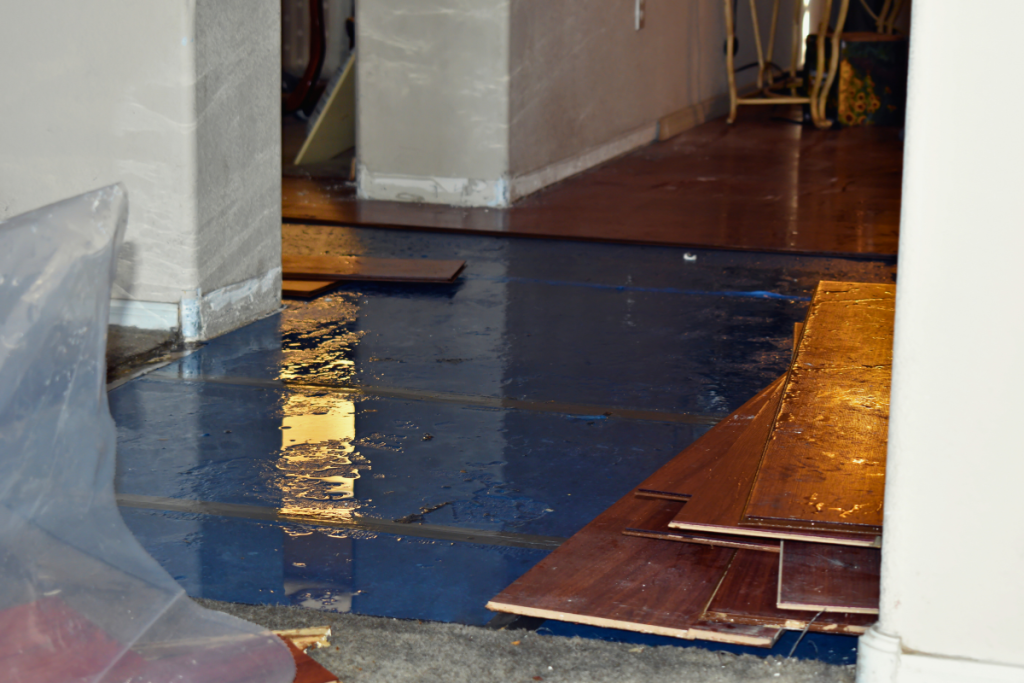
  1. A burst pipe or a leak that’s actively flooding. Water on the floor, in the ceiling, or behind a wall that keeps coming after you shut off the local fixture valve. Shut the main water off first, then call.
  2. A gas leak or strong gas smell. This is a “leave the house first, call FortisBC’s emergency line second, then call a gas fitter once it’s safe” situation. Never call the gas fitter first if you smell gas.
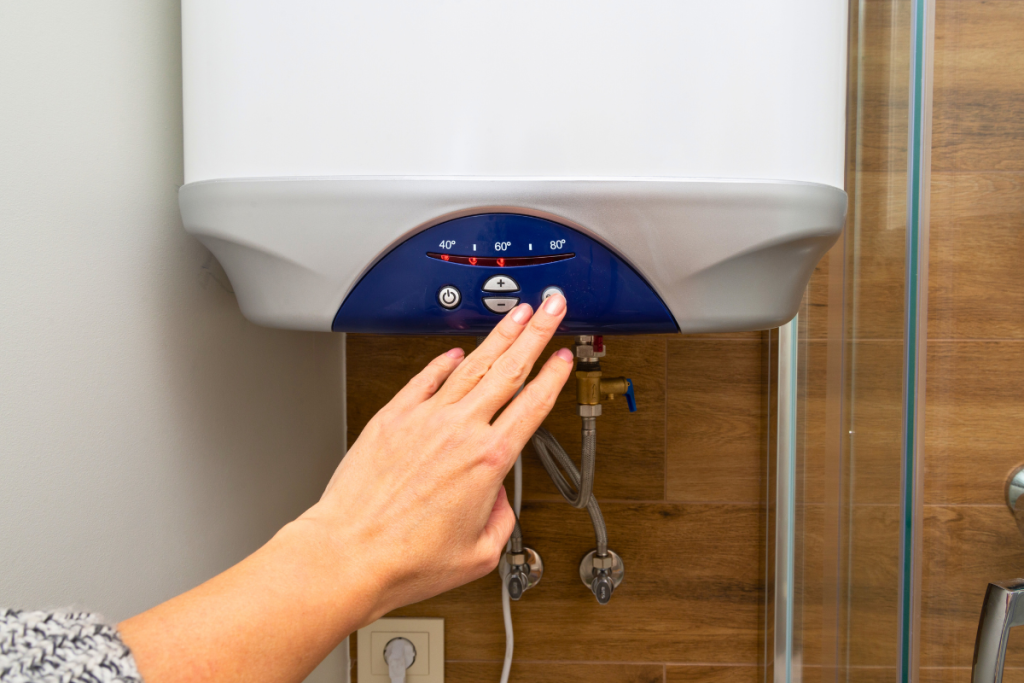
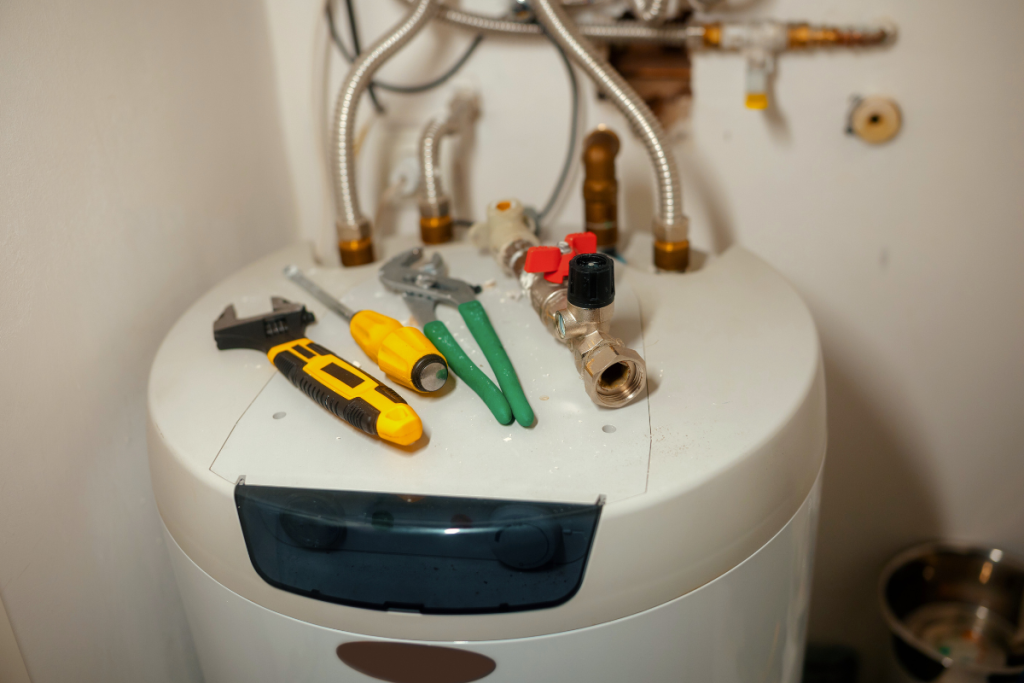
  3. A water heater leaking from the tank itself. Not a fitting at the top — the tank body. That tank is going to fail completely, and the water can keep coming for hours. Shut off the cold supply at the top of the tank and the gas (or breaker, if electric).
  4. No water in the entire house. Not one slow tap, every tap. Could be a main line issue, a frozen line in winter, or a problem at the connection to the city or to the well.
  5. Sewage backing up into a tub, shower, sink, or floor drain. If it’s at one fixture, it’s usually a clog. If it’s coming up everywhere at once, that’s a main sewer line and you’ll need a drain cleaning specialist with a video camera to diagnose before any repair work happens.

What Can Usually Wait Until Morning?

A slow drip, a single tap not working, a running toilet, slow drainage, or low pressure in one fixture can almost always wait until business hours. These problems aren’t getting worse fast enough to justify the cost or stress of an after-hours call. Turning off the local shut-off valve and waiting a few hours costs you nothing.

The everyday plumbing problems that look urgent but aren’t:

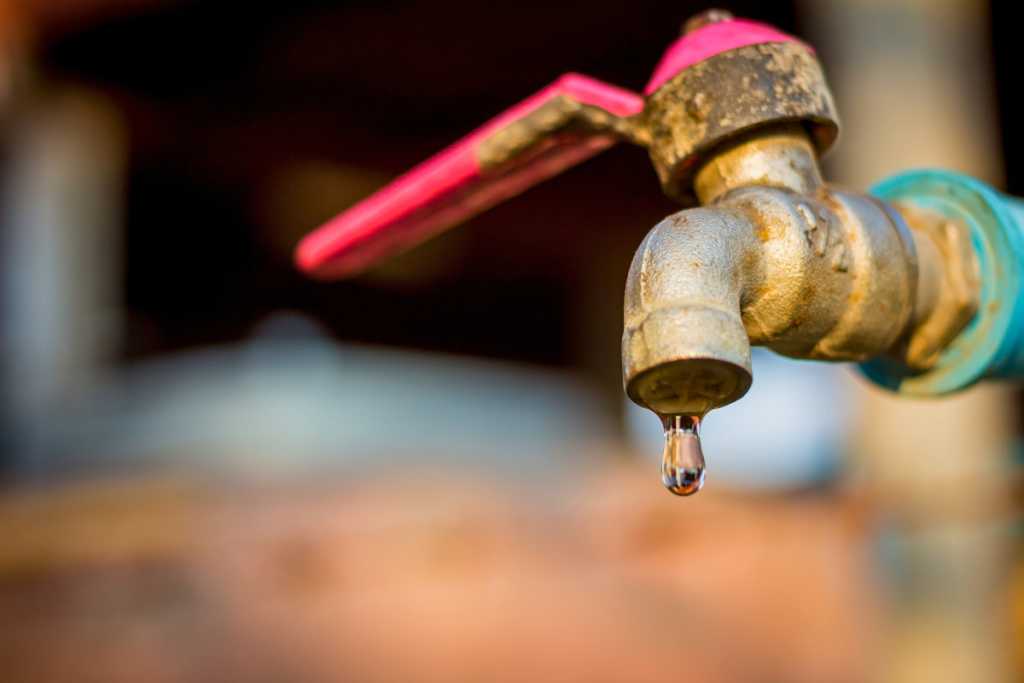
  • A dripping tap. Wastes water. Doesn’t damage anything if the sink drains properly.
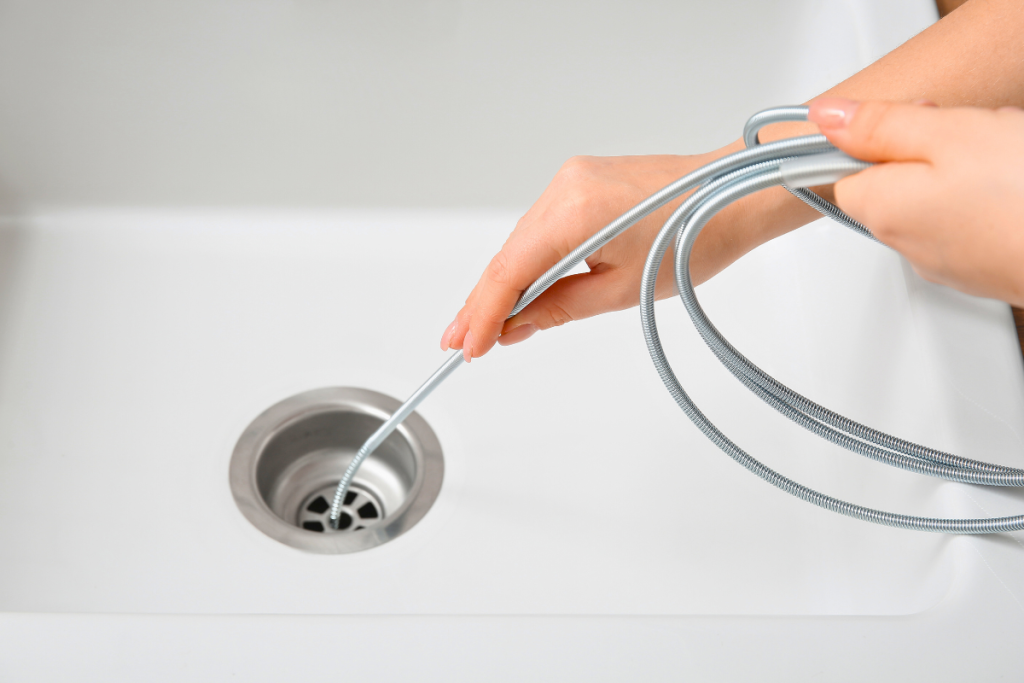
  • One slow drain. Hair, soap, kitchen grease — these build up over time, not overnight.
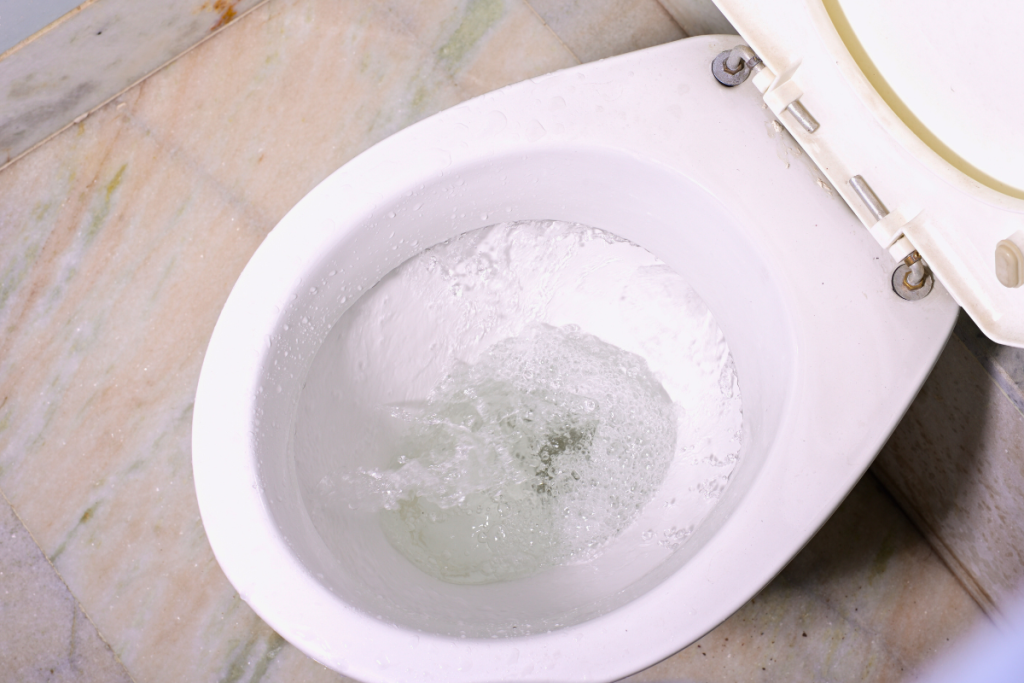
  • A running toilet. Shut the water off at the small valve behind the toilet (turn clockwise). The toilet stops running. Deal with it tomorrow.
  • Low pressure at one tap. Usually an aerator clog. Cheap fix, not urgent.
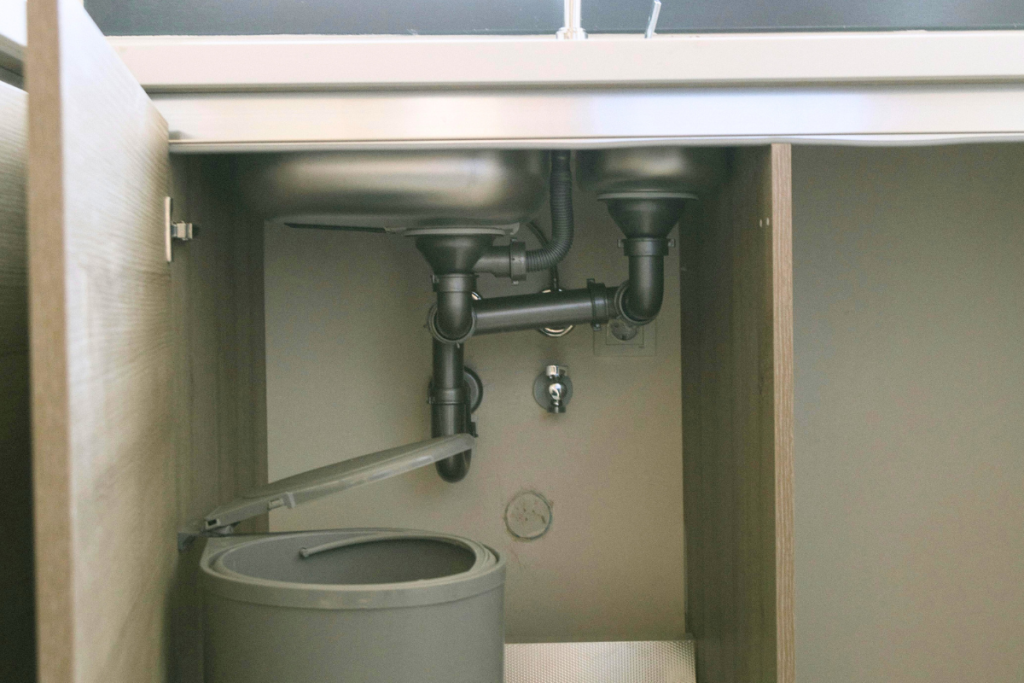
  • A wet patch under a sink with the cabinet doors closed. Put a bowl underneath, dry out the cabinet, and book a call.
  • A water heater making noise but still working. Schedule the call, but you’re not in crisis.


If any of these escalate overnight, the rules from the section above kick in. Until then, you’re fine to wait.

A Few Things That Are Specific to Comox Valley Homes

Plumbing emergencies in the Comox Valley have a few local wrinkles that don’t show up in generic advice. Older homes around the valley sometimes have original copper or galvanized supply lines that don’t hold up well to pressure surges. Homes on private wells face a different set of “no water” problems than homes on city water. And valley storms knock the power out often enough that sump pumps and anything electric need a backup plan.

A few things worth knowing:

  • On a well? “No water” might not be plumbing at all. If the pressure tank is empty and the pump won’t kick in, that’s an electrical or pump issue first. A plumber can help once the water is flowing again. If you’ve lost power, the well pump is also out.
  • Older homes in the valley sometimes have galvanized pipe. Galvanized supply lines corrode from the inside out and eventually leak from pinhole rust spots. If a leak shows up in an older home with original plumbing, expect a bigger conversation about replacing sections rather than just patching one spot.
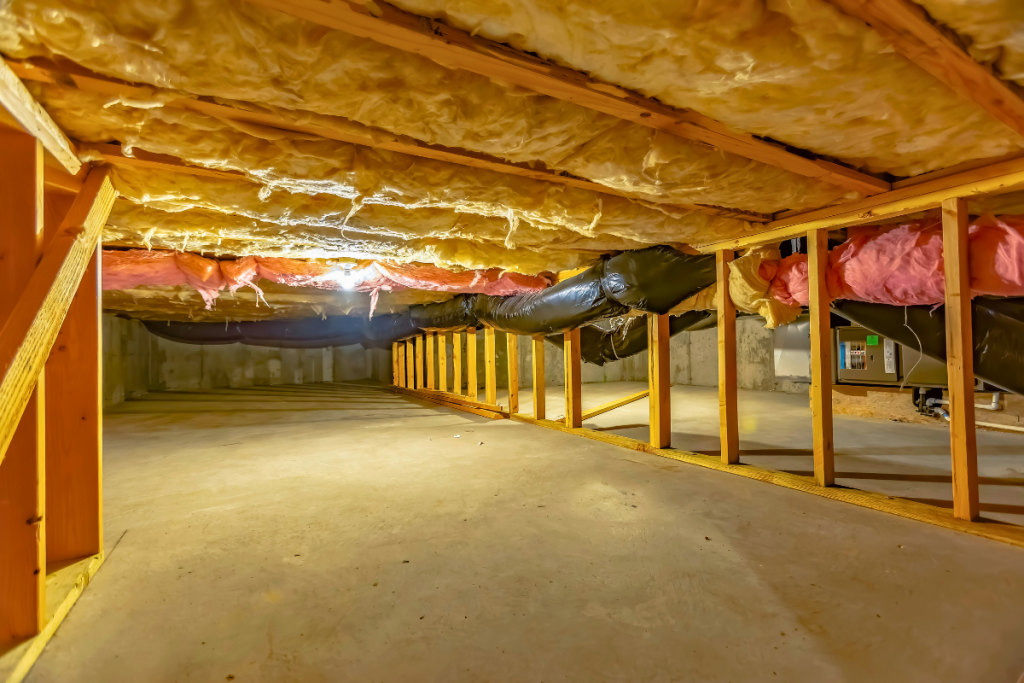
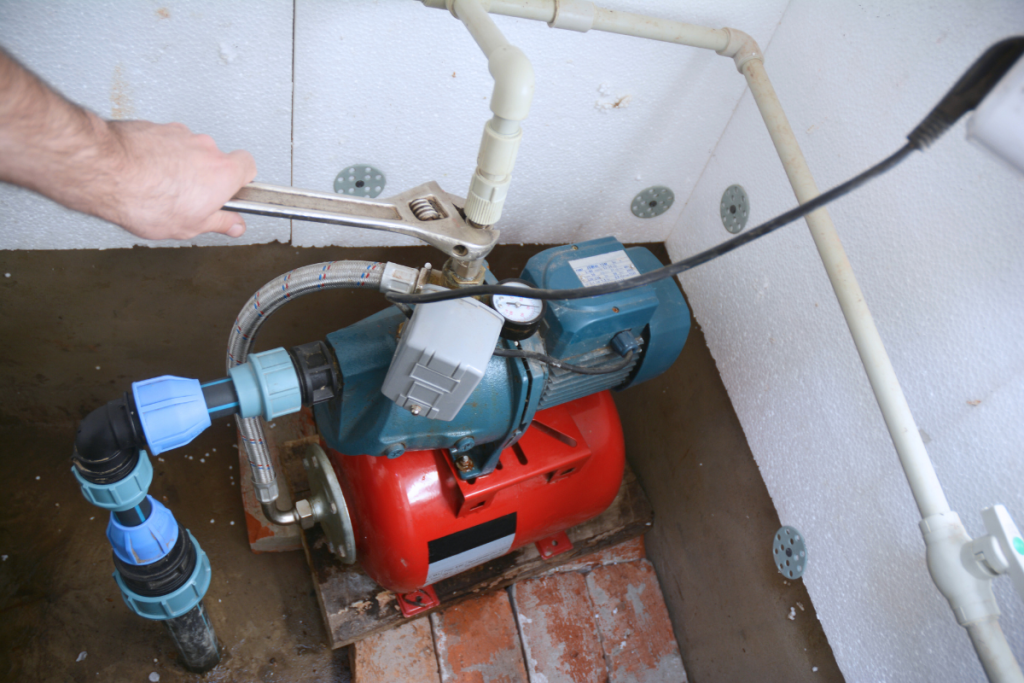
  • Mild winters still freeze pipes. The Comox Valley doesn’t see Saskatchewan winters, but exposed pipes in unheated crawl spaces can still freeze on a cold snap. If a tap stops working during a cold stretch and the rest of the house is fine, a frozen line is the first thing to check.
  • Power out plus a sump pump equals a flooded basement. If the sump pump runs on a regular circuit and the power’s out, that water is going somewhere. A battery backup or a water-powered backup is worth thinking about before storm season — not after.

Before You Call, Do These Three Things

The three things every homeowner should do at the start of a plumbing emergency are: shut off the water at the main, kill the breaker if water is anywhere near electrical, and turn off the gas at the meter only if you smell gas. These steps protect your home before the plumber even gets there.

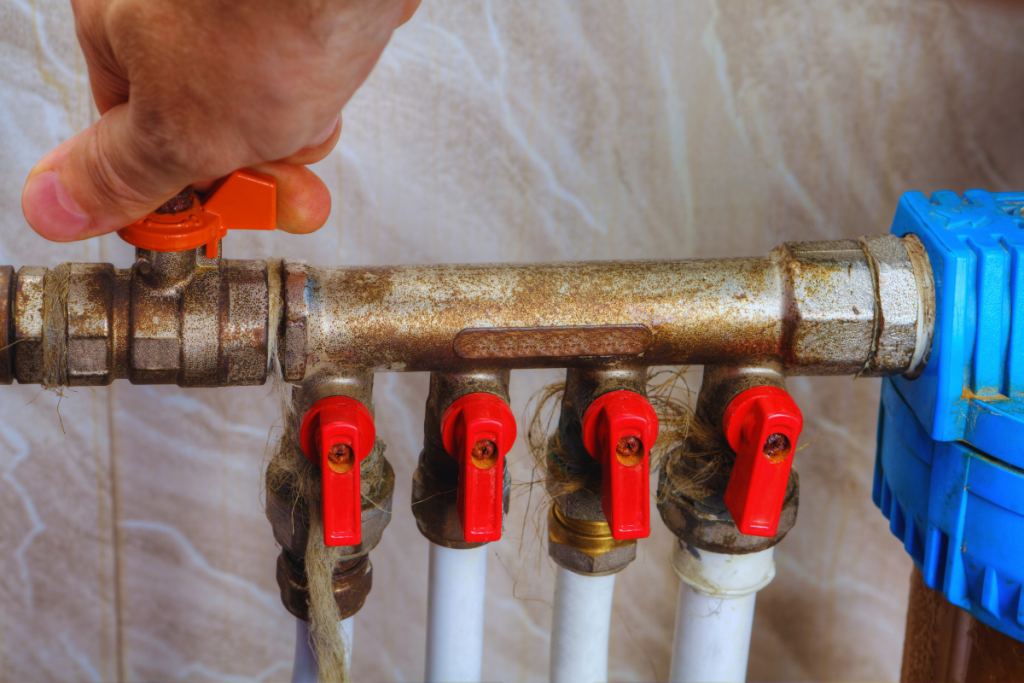
  1. Find the main water shut-off valve and close it. Every home has one — usually in the basement, crawl space, or near where the water line enters the house. Turning it clockwise stops everything coming into the house. If you’ve never found yours, walk through and locate it before you need it. We wrote a full post on how to find your main water shut-off valve that’s worth a read.
  2. Kill the power to anything water is touching. If water is near outlets, lights, or appliances, flip the breaker for that circuit. Wet electrical is a fire and shock risk.
  3. For a gas smell only: turn off the gas at the meter, leave the house, and call FortisBC’s emergency line. Don’t flip switches, don’t use the phone inside, don’t light anything. Get out, then call. A plumber can come back in once the utility says it’s safe.

If you’ve got a minute before the cleanup starts, snap a few photos of the damage. Insurance claims go much smoother when there’s a visual record from the very start.

For more on what to do while you’re waiting on the plumber, we’ve covered the full pre-arrival checklist here.

When to Call John, and What to Expect

Siegfried Plumbing answers calls 7 days a week from 8am to 6pm. Same-day service is available when a call comes in during operating hours and a spot is open. After 6pm, leave a message and John gets back to you first thing the next morning.

What you can expect when you call:

  • A direct conversation about what’s happening, what to do right now to limit damage, and when John can be on site
  • A free estimate before any work starts — no surprises on the invoice
  • All work completed to BC Plumbing Code
  • Red Seal certified journeyman plumber and gas fitter. Fully insured and WorkSafeBC covered.
  • 25+ years in the trade, with the Comox Valley as home since 2018
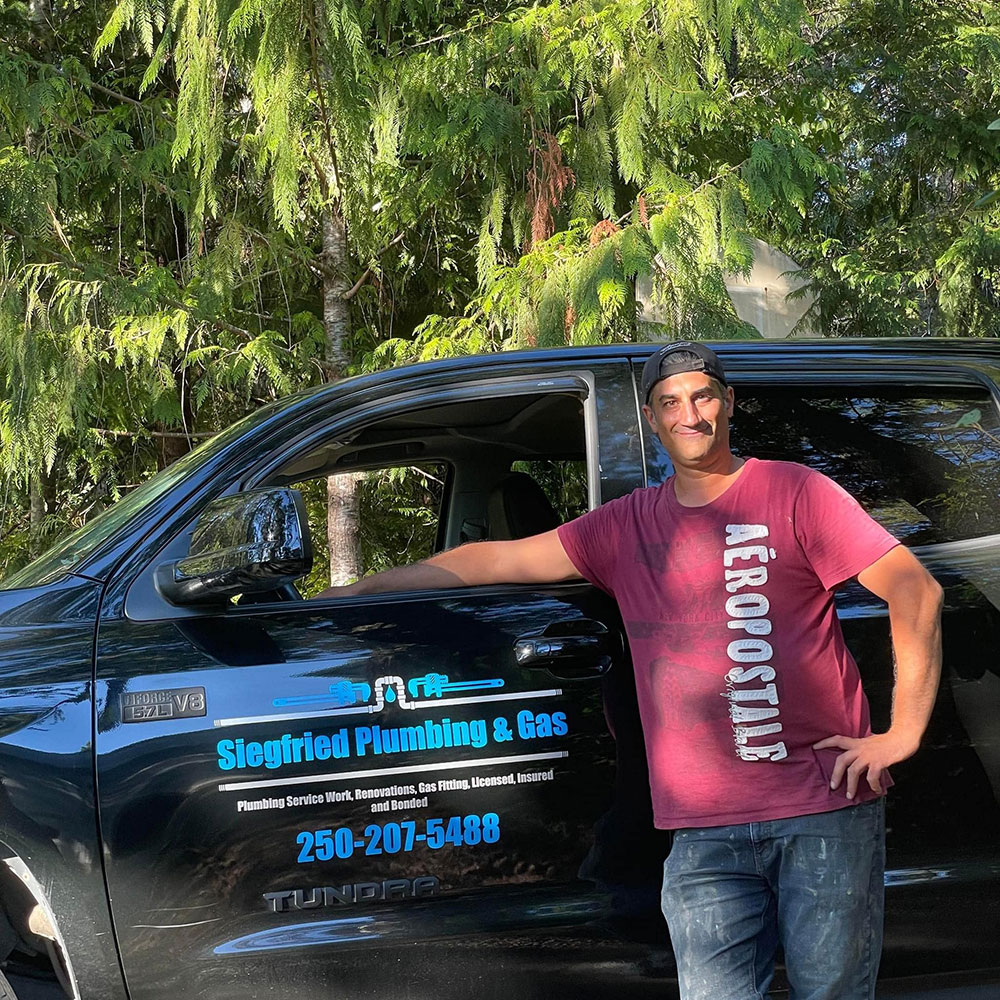
Siegfried Plumbing serves Courtenay, Comox, Cumberland, Royston, Union Bay, Fanny Bay, Merville, Black Creek, and Campbell River. If you’re calling for an emergency plumber in any of those areas, that’s exactly who picks up.

For a look at the full range of work — gas fitting, water heaters, drain cleaning, fixtures, and more — visit our plumbing services page or our heating and gas services page.

Quick Reference — Emergency or Not?

Situation Emergency? What to do
Burst pipe, water flooding Yes Shut off the main, call now
Gas smell Yes Leave the house, call FortisBC, then a plumber
Water heater leaking from the tank Yes Shut off the supply, call today
No water in the entire house Yes Call today
Sewage backing up everywhere Yes Call today
Single drip from a tap No Book during business hours
One slow drain No Book during business hours
Running toilet No Shut off the local valve, book tomorrow
Wet patch under a sink No Bowl underneath, book tomorrow
Low pressure at one tap No Book during business hours

If you’ve read this and you’re still not sure whether what’s happening at your place is an emergency, the safest call is to pick up the phone. John would rather hear “false alarm” than have you sit on something that turns into a bigger problem.

Call: 250-207-5488
Is Your Plumbing Ready for Spring? Why a Spring Plumbing Inspection Matters

Is Your Plumbing Ready for Spring?

Why a Spring Plumbing Inspection Matters

As winter fades in Courtenay and the Comox Valley, it’s the perfect time to schedule a spring plumbing inspection. Freezing temperatures, heavy rains, and fluctuating weather can quietly put strain on your plumbing system. Small issues that started in winter often show up in spring and catching them early can save you from major repairs later.

Here are six warning signs your home could benefit from a professional spring plumbing inspection.

1. Slow Drains or Gurgling Sounds

If your sinks, tubs, or showers are draining slowly and can’t be unclogged with a snake or plunger, winter debris buildup or minor pipe shifts may be the cause.

Gurgling sounds can also signal venting issues or developing clogs further down your plumbing. You will want to address these clogs before summer water usage increases and the issue gets worse.

2. Unexplained Damp Spots

Are you seeing wet areas in your crawlspace, under sinks, or around your appliances? The freeze-thaw cycles that happen with our temperate West Coast winters can cause small cracks in your pipes that don’t fully leak until temperatures rise. Make sure you can locate your main shut off valve if you are seeing water or moisture in these areas, and then consider maybe it’s time to have an inspection.

3. Changes in Water Pressure

Low or fluctuating water pressure could mean:

  • Mineral buildup
  • Small leaks
  • Pressure regulator issues
  • Winter pipe damage

If your water pressure feels different than it did last fall, it’s worth having it checked.

4. Water Heater Working Overtime

Your water heater works hard all winter. Sediment buildup and wear are common after months of heavy use, so if you’re noticing.

  • Inconsistent hot water
  • Strange noises from the tank
  • Higher energy bills
  • It may be time for a tune-up.

For more information about improving efficiency, Natural Resources Canada offers helpful guidance on water heaters here.

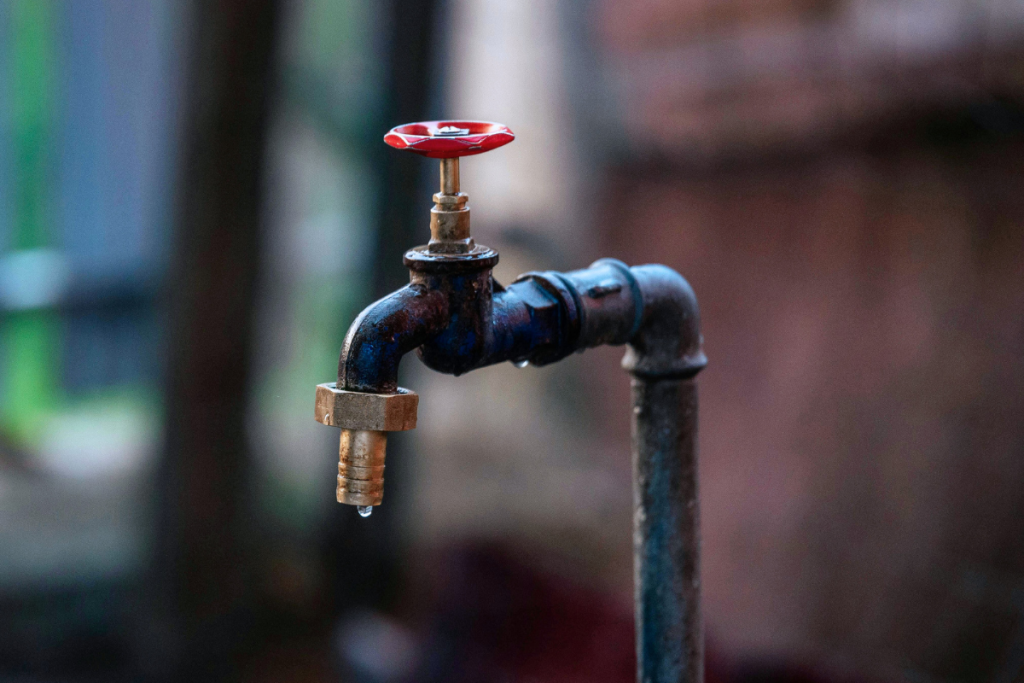
5. Exterior Faucet Leaks

Outdoor taps are especially vulnerable to winter damage. Even if you shut them off properly in the fall, small cracks can sometimes develop and only become noticeable once you start using them again in spring.

Check for:

  • Dripping when turned on
  • Leaks behind the wall
  • Water pooling near foundation walls

6. Running Toilets or Hidden Leaks

A toilet that runs intermittently or silently can waste thousands of litres of water per year. Spring is a great time to inspect your toilet’s seals, flappers, and supply lines.

Remember, small leaks rarely fix themselves but they do get worse, so make sure you check everything over thoroughly.

Book Your Spring Plumbing Inspection Today

So if you’ve noticed any of these signs, or simply want peace of mind, I’m here to help. We can go through the checklist together and make sure everything is in good working order.

👉 Book your spring plumbing inspection today.

Let’s make sure your plumbing system is ready for the season ahead.

📞 Call Siegfried Plumbing for reliable service in Courtenay, Comox, and surrounding areas. 

💧🔧 250 207 5488
What’s That Sound? 6 Plumbing Noises You Should Never Ignore

What’s That Sound?

6 Plumbing Noises You Should Never Ignore

If your pipes are making strange sounds, don’t just shrug it off as plumbing noises are often a warning sign that something’s not right behind the scenes. Whether it’s banging in the walls, gurgling from the drain, or a high-pitched whistle when you turn on the tap, these sounds usually mean your system is under stress and could use a professional check-up.

Here are six common plumbing noises you should never ignore and what they might be telling you.

1. Banging or “Water Hammer”

What it sounds like: A loud bang or thud when you turn off the tap or your washing machine finishes filling.

What it means: This is often caused by a phenomenon called water hammer, which happens when water suddenly stops or changes direction in your pipes. It can loosen fittings, damage valves, or even burst pipes if left unchecked.

How to Fix it: Installing water hammer arrestors or adjusting your home’s water pressure can often solve the issue. For more troubleshooting we recommend checking out this article on water hammer solves.

2. Whistling or Screeching Faucets

What it sounds like: A high-pitched squeal or whine when you open a tap or shower.

What it means: This is usually caused by a worn-out washer, loose valve, or mineral buildup restricting water flow. It’s often a simple fix but should be addressed before it gets worse.

How to Fix it: Replacing the affected fixture or valve usually does the trick.

3. Gurgling Drains

What it sounds like: A bubbling or gurgling noise when water is draining—especially in sinks, tubs, or toilets.

What it means: This often points to a partially blocked drain or venting problem. Air is getting trapped and causing that glug-glug sound. Left alone, this can lead to a full backup.

How to Fix it: A drain inspection or vent cleaning may be needed. Check out our post on safe drain cleaner alternatives if you’re tempted to pour chemicals down there.

4. Hissing Pipes

What it sounds like: A constant hissing or rushing sound, even when no water is running.

What it means: This could indicate a leak in your system, especially if the sound is coming from behind a wall or near your water heater. Leaks like this can waste water and cause structural damage over time.

How to Fix it: Don’t wait, have it inspected ASAP to avoid major repairs.

5. Vibrating Pipes

What it sounds like: A humming or vibrating noise when you turn on an appliance or faucet.

What it means: Your water pressure might be too high, or a pipe may be loose and rattling. This constant vibration can wear out pipe joints and lead to leaks.

How to Fix it: A pressure regulator or simple pipe brace can usually solve this.

6. Running Toilet or Dripping Sounds

What it sounds like: Water running in the toilet long after a flush or a faint dripping sound at night.

What it means: Worn-out flappers, fill valves, or slow leaks. Not only is it annoying it can waste hundreds of litres of water per day.

How to Fix it: These are quick fixes for a plumber and can save you money on your water bill.

Why You Should Listen to Your Plumbing 💡

Plumbing noises are your home’s way of telling you something needs attention and ignoring them can lead to leaks and water damage, pipe bursts, higher utility bills and worst case, full blown plumbing emergencies.

Prevention is also key and can help save you cash. Check out our “Plumbing Maintenance Checklist for a safe winter season” on the blog.

So, if you are hearing something strange don’t wait, call me today. I’ll track down the issue and provide a solution.

💧🔧📞 250 207 5488
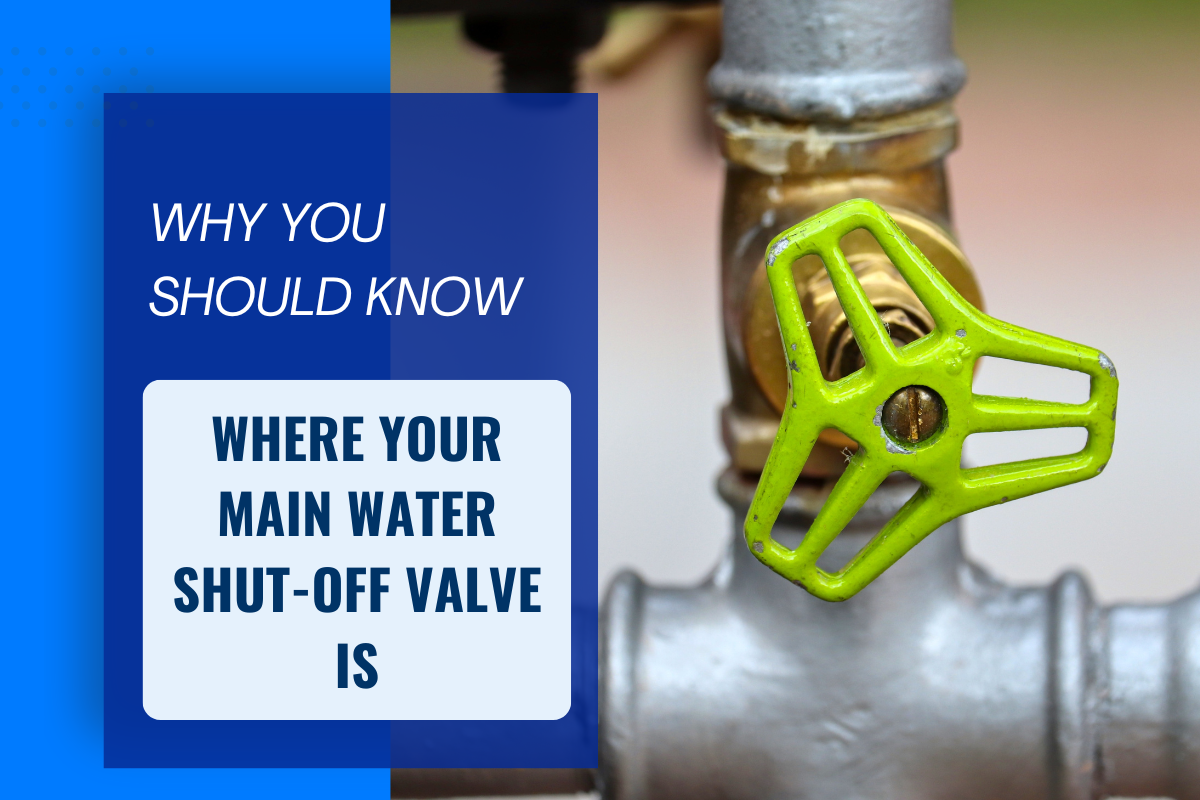
Why You Should Know Where Your Main Water Shut-Off Valve Is

Why You Should Know Where Your Main Water Shut-Off Valve Is

One of the most important things you can do to protect your home from major water damage is to know where your main water shut-off valve is and how to use it.

Whether it’s a burst pipe, a leaking water heater, or a plumbing repair gone sideways, turning off the water quickly can mean the difference between a small cleanup and thousands in damage. And yet, many homeowners I meet have no idea where their shut-off is (or whether it even works).

Let’s fix that.

What Is the Main Water Shut-Off Valve?

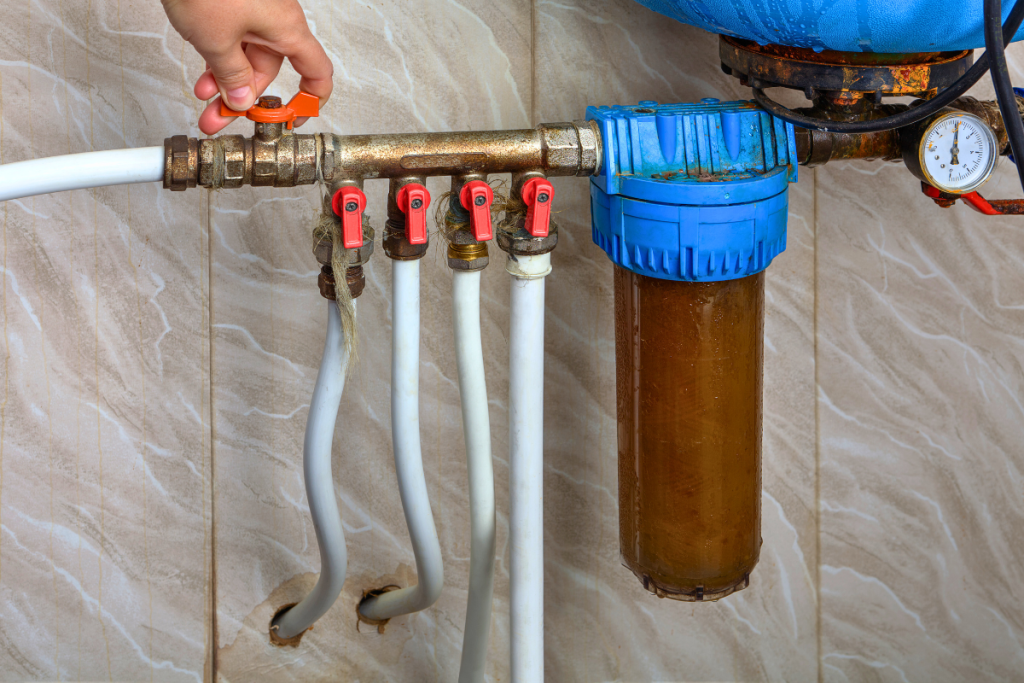
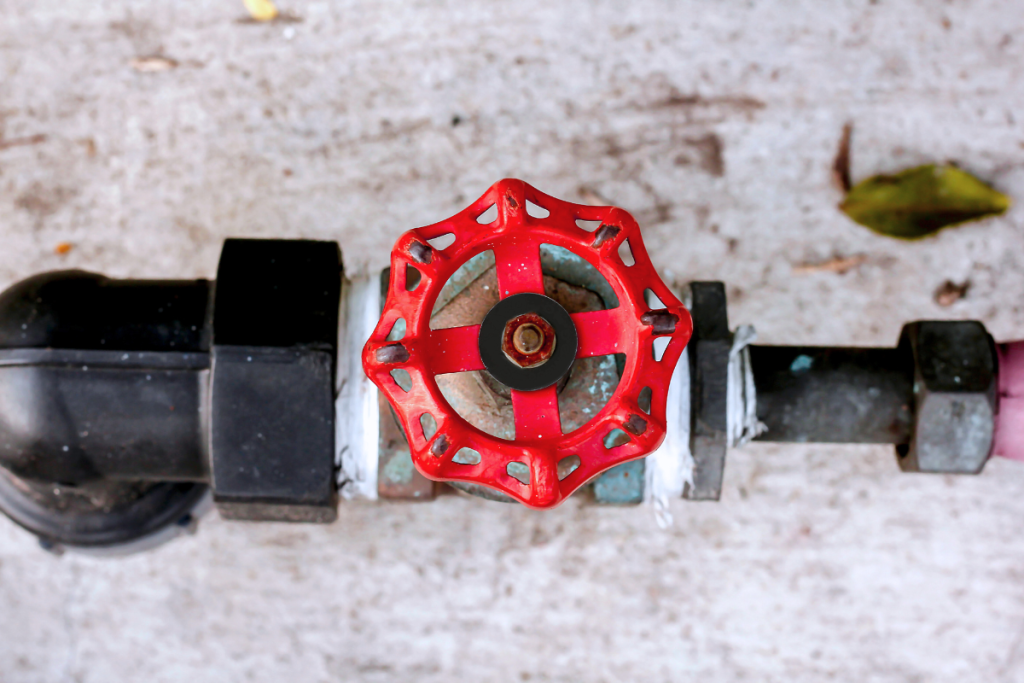
Your main water shut-off valve controls the flow of water into your entire home. It’s usually located where your water line enters the house, often in the basement, crawlspace, or utility room.

Once this valve is turned off, no water can flow into your home’s plumbing system.


How to Find It

In most Courtenay and Comox homes, your main shut-off valve will be:

  • In a crawlspace, near the front wall of the home
  • In the basement, near where the water line enters from the street
  • In a mechanical room with your water heater or furnace

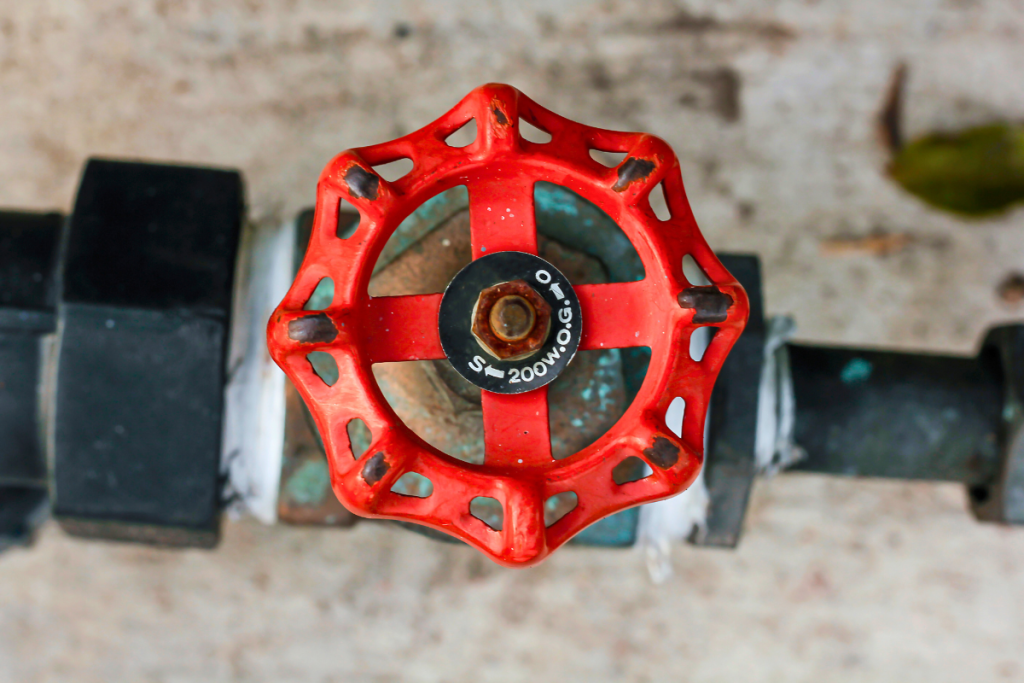
Look for a lever-style valve (ball valve) or a round handle (gate valve). If you’re not sure what you’re looking at, snap a photo and send it my way and I’ll help you out.


How to Test It

Once you find it, give it a test:

  1. Turn off the valve by rotating the handle clockwise (gate valve) or pulling it perpendicular to the pipe (ball valve).
  2. Check a faucet inside the house —the water should stop after a few seconds.
  3. Turn the valve back on and make sure everything flows normally.

💡 If the valve doesn’t budge, or only partially shuts off, it may need to be replaced.


Why It Matters

Plumbing emergencies happen fast. A pipe can burst from cold weather, a tap can be left running, or a fitting can blow out and your first move should be to shut off the water.

Every minute counts when it comes to water damage. Knowing where your valve is and how to use it can prevent:

  • Flooding
  • Drywall and flooring damage
  • Costly insurance claims


Not Sure Where Your Shut-Off Valve Is?

No problem, I can help. During a quick visit, I’ll locate your shut-off, test it, and show you how to use it. I can even replace it if it’s old, stuck, or leaking.

👉 Want us to show you how to shut off your valve?
📞 Call Siegfried Plumbing today—serving Courtenay, Comox, and the surrounding area.

 250 207 5488
The Ultimate Water Heater Guide: Types, Maintenance & When to Replace

The Ultimate Water Heater Guide:

Types of Water Heaters, Maintenance & When to Replace

When it comes to home comfort, hot water is non-negotiable. This water heater guide has everything you need to know. Whether you’re looking to install a new system, improve energy efficiency, or troubleshoot a lack of hot water, understanding the different types of heaters, how to maintain them, and when to replace them is key to keeping your home running smoothly.

Not sure if your water heater is working efficiently? Get a professional inspection today.

Types of Water Heaters

There are a few different types of water heaters on the market. Here’s a quick overview:

Tank (Storage) Water Heaters

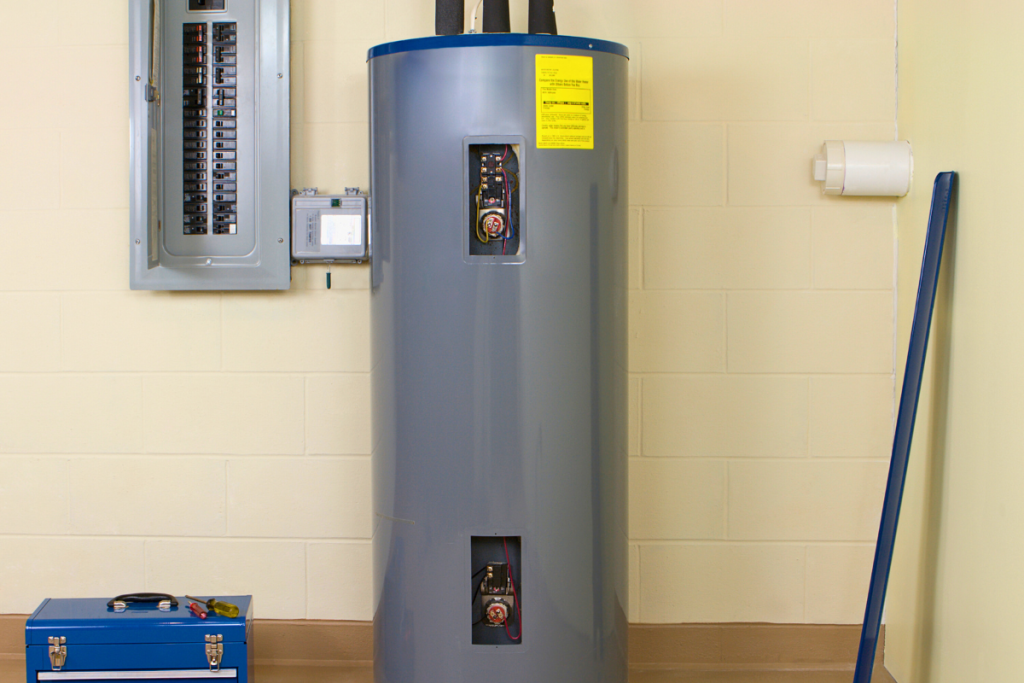
The most common type in Courtenay and Comox homes. These units store hot water in a tank and keep it heated continuously.

  • Affordable upfront cost
  • Can run out of hot water
  • Lifespan: 8–12 years

Tankless (On-Demand) Water Heaters

Tankless water heaters heat water only when you need it, offering better efficiency and unlimited hot water.

Heat Pump (Hybrid) Water Heaters

These use electricity to move heat from the air to the water. A great choice for energy-conscious homeowners.

  • Excellent efficiency
  • Needs more space
  • Ideal for warmer indoor climates (like heated garages or utility rooms)


Water Heater Maintenance Tips

Taking care of your water heater extends its lifespan and improves performance. Here’s what you should do at least once a year:

  • Flush the tank to remove sediment buildup
  • Check the anode rod to prevent internal corrosion
  • Inspect the pressure relief valve
  • Insulate the pipes and tank to improve energy efficiency (especially in colder months)

📌 Not sure how to do this yourself? Book a winter plumbing inspection and we’ll take care of it.

Signs It’s Time to Replace Your Water Heater

If your water heater is more than 10 years old or showing signs of wear, it may be time to consider a replacement. Look for:

  • Inconsistent or insufficient hot water
  • Discoloured or rusty water
  • Strange noises coming from the tank
  • Water pooling around the base of the unit
  • Rising energy bills

Still not sure? We can inspect it and help you decide if a repair or replacement is the better option.

Helpful External Resource

Curious how much energy your current heater might be wasting? Visit Natural Resources Canada’s guide to water heaters

Not Sure If Your Water Heater Is Working Efficiently?

Don’t get caught in the cold. A quick inspection can prevent bigger issues later and help you lower your energy bills.

Not sure if your water heater is working efficiently? Get a professional inspection today.

Call Siegfried Plumbing for honest advice and expert service in Courtenay, Comox, and surrounding areas.

💧🔧📞 250 207 5488


Plumbing Maintenance Checklist for a Safe Winter Season

Plumbing Maintenance Checklist for a Safe Winter Season

As temperatures start to drop in Courtenay and Comox, now’s the time to tackle your plumbing maintenance checklist and avoid winter plumbing disasters. Frozen pipes, water heater breakdowns, and surprise leaks can all be prevented with a few simple seasonal maintenance steps.

Whether you’re the DIY type or prefer to call in the pros, this guide will help keep your plumbing system protected and your home cozy through the colder months.

1. Shut Off and Drain Outdoor Faucets

Start with your outdoor water lines, these are most vulnerable to freezing. Make sure to:

  • Shut off the interior valve for hose bibs.
  • Disconnect hoses and store them indoors.
  • Drain the faucet and leave it slightly open.

💡 Bonus: Consider installing a frost-free hose bib for extra protection


2.Insulate Exposed Pipes

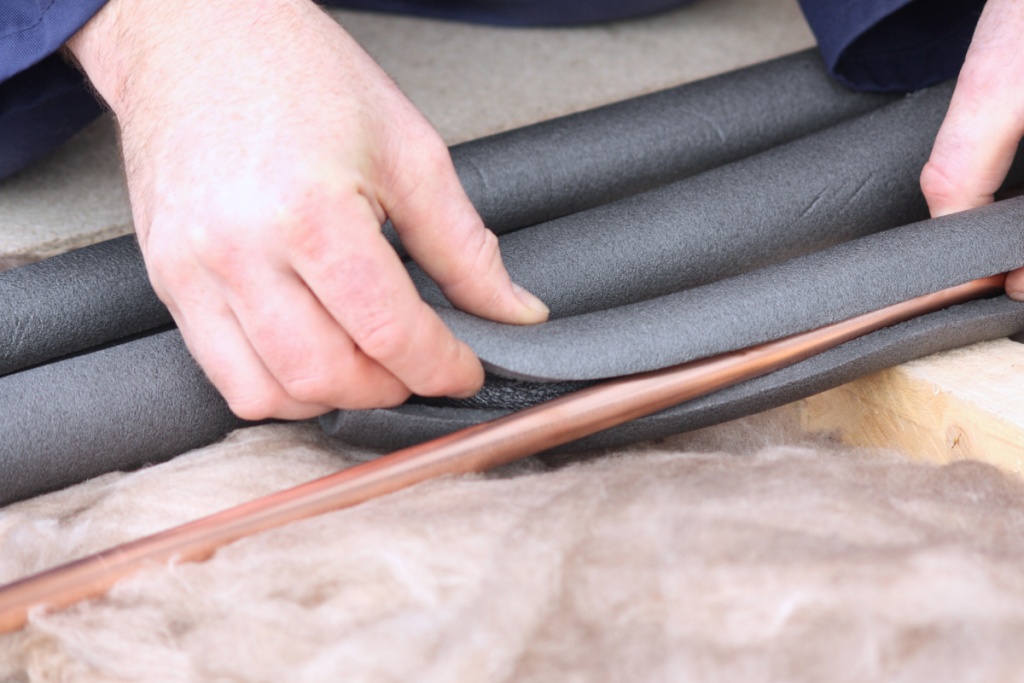
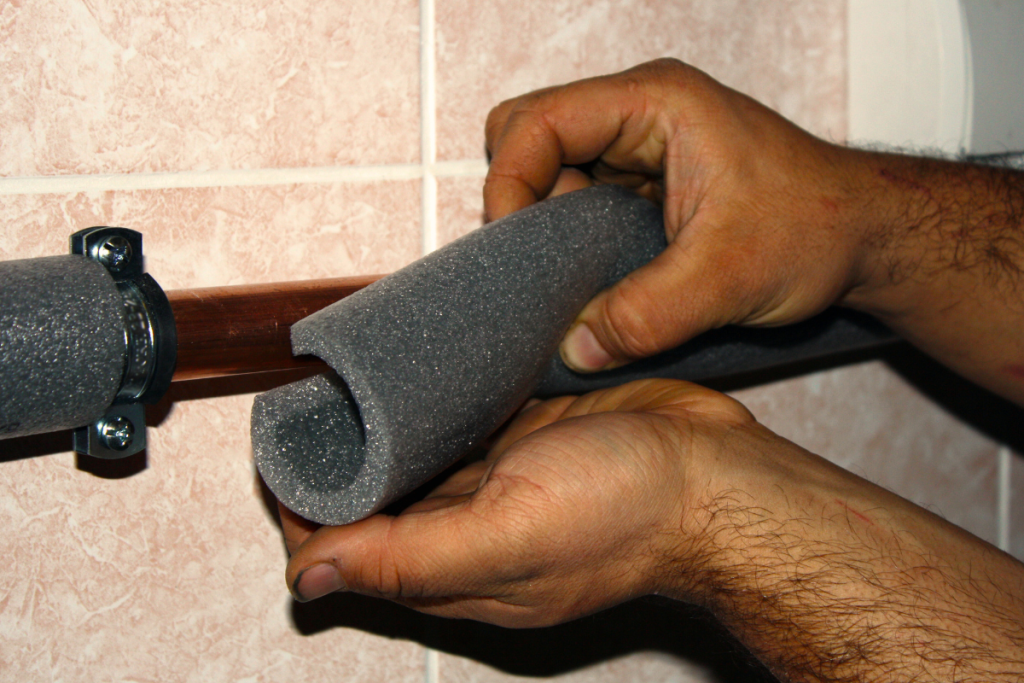
Pipes in crawlspaces, garages, or exterior walls are at high risk for freezing. Wrap them with foam pipe insulation or heat tape to prevent bursts.

👉 For more long-term plumbing upgrades, check out our blog on home value-boosting plumbing renovations.


3. Service Your Hot Water Heater

Cold weather increases demand on your hot water heater. Before winter hits make sure to:

  • Flush out sediment buildup
  • Check for signs of rust or corrosion
  • Inspect the pressure relief valve
  • Insulate the tank if it’s in an unheated space

Tip: If your water heater is over 10 years old, consider replacing it with a more efficient model.

For more information, the Government of Canada has an excellent resource that breaks down the different types of water heaters and their benefits.

4. Check for Leaks

Small leaks can turn into big problems when temperatures drop. Be sure to check under sinks, around toilets, and near appliances for:

  • Moisture
  • Corrosion
  • Cracked seals

Bonus Tip: Read our post on how to spot common plumbing issues that waste water.


5. Test Your Sump Pump

If your home has a sump pump, test it before winter storms begins and the risk of flooding increases. Follow these steps to test it’s working smoothly:

  • Pour water into the pit to see if it activates
  • Clean the pump inlet screen
  • Check that the discharge line isn’t blocked or frozen


6. Seal Drafty Areas Around Pipes

Cold air sneaking in through unsealed pipe openings can cause freezing. To prevent this, use caulk or spray foam around these areas:

  • Basement wall penetrations
  • Dryer vents
  • Foundation access points


7. Know Where Your Shut-Off Valve Is

If a pipe bursts, being able to quickly shut off the main water supply can save you from major damage. Make sure everyone in the house knows where the valve is located, and that it works.


Final Thoughts 💡

Winter is coming, but that doesn’t mean we have to wait for a plumbing disaster to take action.  Taking the time now to do some preventative care can go a long way in keeping your home’s plumbing running properly and without any major issues. Make sure your plumbing stays working so you can spend your time enjoying the winter rather than resenting it.

And as always, if you need a handjust Give us a call.

💧🔧📞 250 207 5488

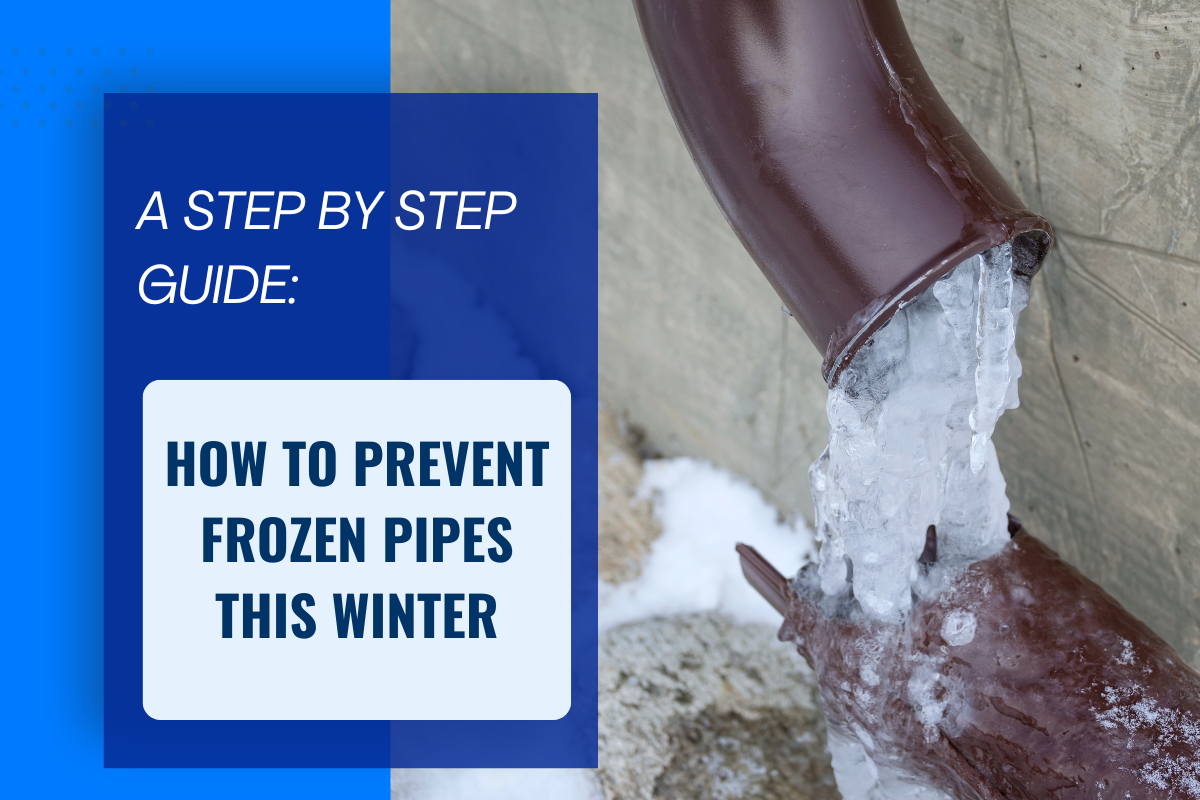
How to Prevent Frozen Pipes This Winter: A Step-by-Step Plumbing Guide

How to Prevent Frozen Pipes This Winter: A Step-by-Step Plumbing Guide

When temperatures drop, one of the most urgent home maintenance tasks becomes how to prevent frozen pipes. In Courtenay and the Comox Valley, even mild winters can catch homeowners off guard leading to cracked pipes, water damage, and expensive repairs. Fortunately, a few simple winter plumbing steps can protect your home from the cold and save you stress (and money) down the line.

Here’s your no-fuss guide to winterizing your plumbing system before the frost hits.

1. Shut Off and Drain Exterior Faucets

Outdoor water lines are the first to freeze. To avoid cracked pipes:

  • Turn off water to outdoor hose bibs from the interior shut-off valve.
  • Disconnect garden hoses and drain any remaining water.
  • Leave the outside tap open slightly to allow for expansion.

💡 Bonus tip: Install frost-free hose bibs for extra protection year-round.

2. Insulate Exposed Pipes

Pipes in unheated spaces like crawlspaces, garages, and exterior walls are vulnerable to freezing.
Use foam pipe insulation or heat tape to wrap:

  • Basement pipes
  • Garage plumbing
  • Outdoor wall pipes

Pro tip: Focus on both hot and cold water lines. Cold water pipes can freeze, and hot water pipes waste energy when uninsulated. For more tips on boosting your home’s efficiency, check out our blog on plumbing upgrades that increase your home’s value

3. Keep Indoor Temperatures Consistent

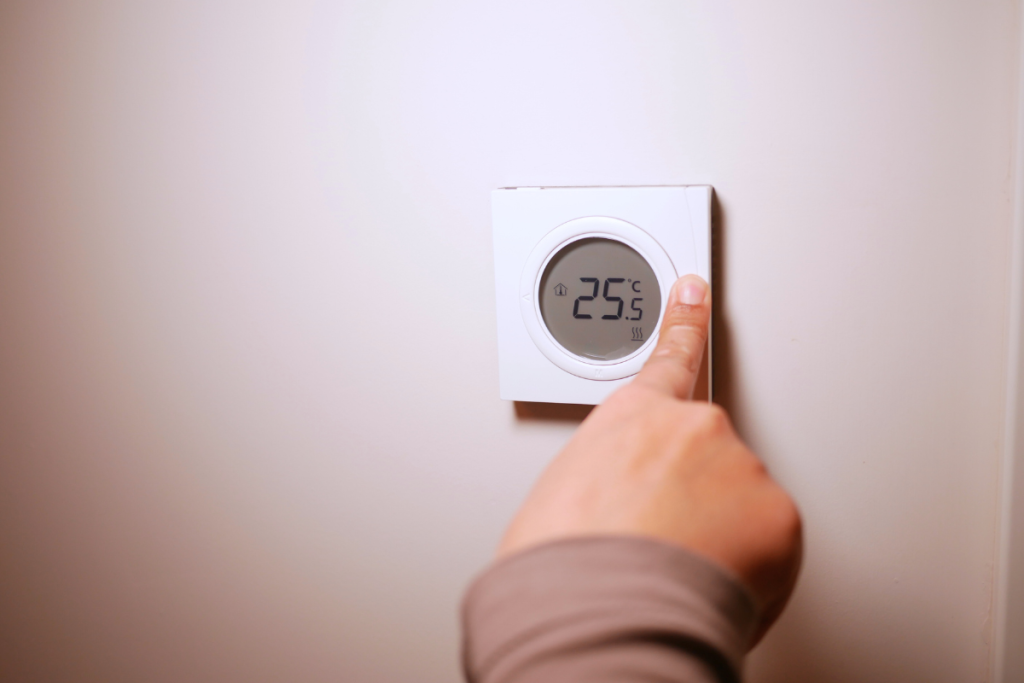
Even if you’re away, your thermostat should never drop below 13°C (55°F). Sudden dips in indoor temperatures can cause interior pipes to freeze, especially near exterior walls.

Set your thermostat to a consistent temp day and night. If you’re planning to travel, consider a smart thermostat to monitor and adjust remotely.

4. Know Where Your Main Water Shut-Off Valve Is

If a pipe does burst, shutting off your main water supply quickly can prevent major water damage. Take a few minutes now to locate the valve and ensure it’s working.

Need help? We can show you where it is during a winter plumbing inspection.

Need Help Winterizing Your Home?

Don’t wait until it’s too late, protect your pipes before the first frost. Whether you need help shutting off your outdoor water or insulating exposed lines, we’ve got your back.

Call Siegfried Plumbing & Gas for reliable winter plumbing service in Courtenay, Comox, and surrounding areas.

💧🔧📞 250 207 5488

Plumbing Emergency 101: What to Do Before the Plumber Arrives | Plumbing Emergencies

Plumbing Emergency 101: What to Do Before the Plumber Arrives

When a plumbing emergency strikes, whether it’s a burst pipe or an overflowing toilet, it’s essential to act fast. Delaying or mishandling the situation can lead to costly damage, water loss, and potential health hazards. Knowing what steps to take while waiting for the plumber can help mitigate the situation and prevent further issues. In this guide, we’ll walk you through the essential actions to take during plumbing emergencies.

1. Shut Off the Water Supply

The very first thing to do in any plumbing emergency is to stop the flow of water. Here’s how you can quickly do it:

  • For a burst pipe: Locate your main water shut-off valve, which is typically found near the water meter or where the water line enters your home. Turn the valve clockwise to stop the water flow.


  • For an overflowing toilet: If your toilet is overflowing, locate the toilet’s water supply valve, usually behind the toilet, and turn it clockwise to stop the water flow.

Shutting off the water supply is crucial to prevent further flooding or water damage. It’s always a good idea to familiarize yourself with the location of your water shut-off valve ahead of time, so you’re prepared for emergencies.

2. Drain the Pipes

Once the water supply is turned off, it’s important to drain any excess water left in the pipes. If you’re dealing with a burst pipe or a leaky pipe, open the faucets and let the water drain out. This will relieve pressure and minimize the risk of further damage while you wait for the plumber to arrive.

3. Use Towels, Buckets, or a Wet Vacuum

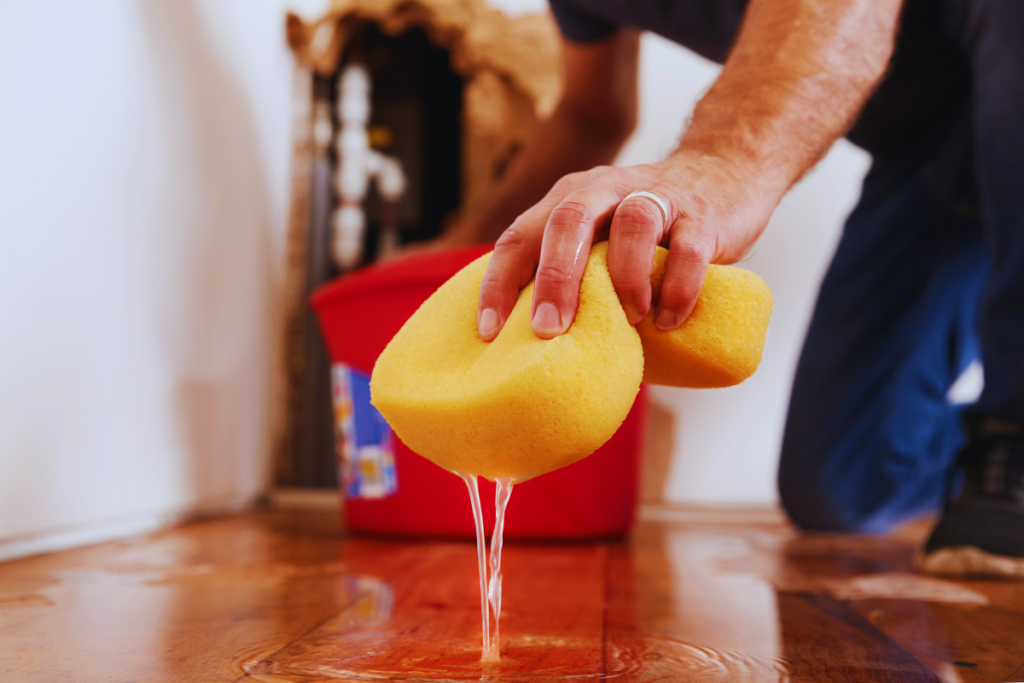
For quick fixes to contain the situation, use towels, buckets, or a wet vacuum to soak up any standing water. This will help reduce the damage to your floors, walls, and furniture. If you have a wet vacuum, it can help remove large amounts of water quickly.

4. Assess the Damage

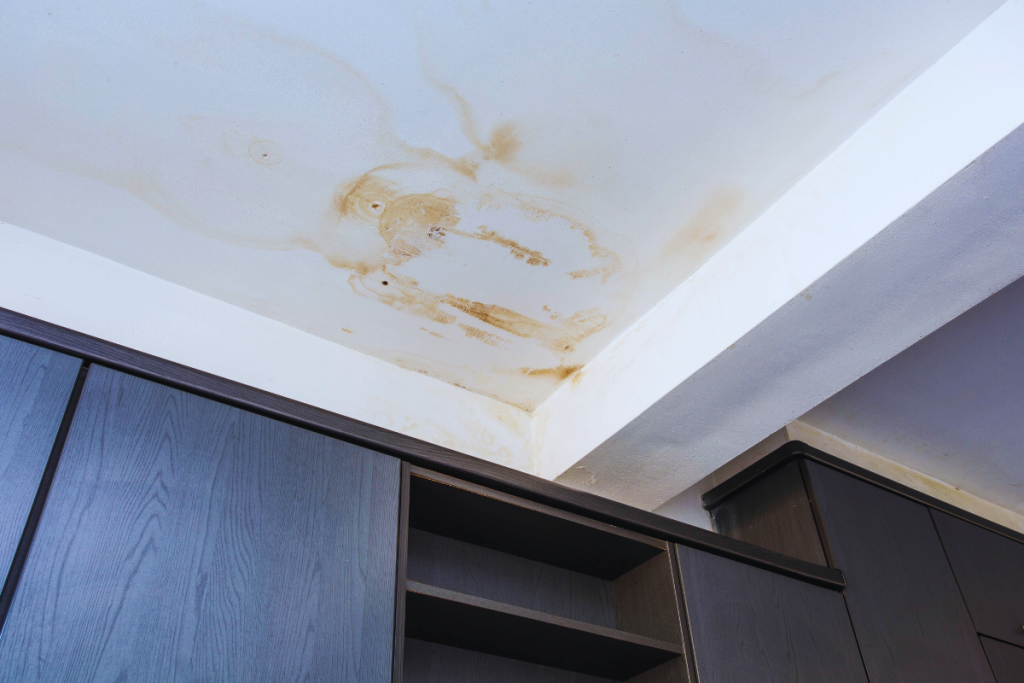
While waiting for the plumber, try to assess the damage to understand the severity of the situation. Look for signs of structural damage, like water stains, cracks, or warping on walls, ceilings, and floors. If you’re dealing with a burst pipe, you may also notice a damp or musty smell, which can indicate water seeping into the surrounding areas. Taking note of the damage will help you give a detailed report to the plumber when they arrive, enabling them to diagnose and address the issue more efficiently.

5. Do Not Attempt Major Repairs

While DIY fixes may seem tempting, avoid attempting major plumbing repairs like trying to fix a burst pipe yourself or using harsh chemicals to stop the overflow. These repairs can make the situation worse or even lead to more expensive damage. Instead, focus on minimizing the water damage and wait for the expert plumber to handle the situation.

6. Call for Professional Help

Once you’ve taken the necessary initial steps, it’s time to call a professional plumber. Plumbing emergencies require expertise, and trying to handle them on your own could cause more harm than good. Contact a licensed plumber who can provide the proper repairs and prevent future issues.

Final Thoughts 💡


Knowing what to do in a plumbing emergency, like a burst pipe or an overflowing toilet, can save you time, money, and stress. Fast action, shutting off the water, containing the situation, and calling a professional can prevent costly damage and protect your home.

Save this guide as fast action can prevent costly damage!

If you do find yourself in a plumbing emergency, don’t panic, Siegfried Plumbing has your back! We’re here to help homeowners in Courtenay, BC, with expert service and reliable solutions.

Need a hand? Give us a call today and let’s get your plumbing back in top shape!

💧🔧📞 250 207 5488

Are You Wasting Water? 5 Plumbing Issues That Can Lead to Costly Repairs

Are You Wasting Water? 5 Plumbing Issues That Can Lead to Costly Repairs

Even if you’re not charged by the litre, plumbing issues that waste water can still cost you, in repairs, damage, and environmental impact. Whether you’re in Courtenay paying a flat rate or in Comox on a voluntary water meter, wasting water puts strain on your plumbing system and your peace of mind. In this post, we’ll cover five common plumbing problems that often go unnoticed but can lead to bigger problems down the road.

Local Insight: Water Billing in the Comox Valley

In Courtenay, most homeowners are on a flat-rate water system, while Comox residents can opt into a metered plan. But no matter how you’re billed, unnoticed water waste can still lead to increased maintenance costs, hidden damage, and avoidable headaches. Fixing leaks and upgrading fixtures isn’t just about saving money, it’s about protecting your home.

1. Dripping Faucets

That slow, steady drip that has been haunting you from the bathroom down the hall may not seem urgent, but over time it can waste thousands of litres of water. More importantly, it’s often a sign of worn-out washers or valves, which can lead to further internal wear. Catching and fixing a small leak now prevents bigger issues later.

2. Running Toilets

A constantly running toilet can silently drain water 24/7. It’s often caused by a faulty flapper or fill valve, an easy fix for a professional plumber. Even if you’re not on a meter, that much extra water use can strain your plumbing system and increase the risk of leaks or overflows.

3. Undetected Leaks in Pipes

Leaks behind walls, under floors, or in your crawlspace can go unnoticed for months. Watch for signs like:

  • Unexplained damp spots
  • Mold or mildew smells
  • Cracking paint or bubbling drywall

🛠️ Early leak detection can help you avoid costly structural damage and repairs

4. Inefficient Fixtures

Older toilets, faucets, and showerheads can use double, or even triple the amount of water newer models need. Swapping them for WaterSense-labeled fixtures can reduce water use, improve function, and even boost your home’s resale value.

🚿 Related post: Plumbing Upgrades That Increase Your Home’s Value

5. Outdoor Water Leaks

Leaky garden taps, irrigation systems, or cracked hose bibs often go unnoticed until they cause serious issues. Especially in warmer months, inspect outdoor plumbing regularly to ensure everything’s working as it should.

Tip: After a watering session, check for soggy patches or dripping connections, both of these are signs you might have a leak.

Ready to Protect Your Plumbing?

Water waste isn’t just about your bill, it’s about keeping your plumbing system running efficiently, avoiding costly repairs, and doing your part for the environment.

👉 Lower your water waste with our expert plumbing inspections.
📞 Call Siegfried Plumbing today for fast, reliable service in Courtenay, Comox, and the surrounding areas. (250) 207 5488

Top Plumbing Upgrades to Boost Your Home’s Value

Plumbing Upgrades That Can Increase Your Home’s Value

Whether you’re preparing to sell your home or simply want to enhance its value, plumbing upgrades are one of the most effective investments you can make. Plumbing renovations not only improve the function of your home but also increase its resale value. In this blog post, we’ll explore some of the best plumbing upgrades that can boost your home’s marketability, such as installing water-efficient fixtures and upgrading to a tankless water heater.

1. Upgrade to Water-Efficient Fixtures

Water-efficient fixtures are a highly sought-after feature for homebuyers looking to save on utility bills and reduce their environmental impact. Installing modern, eco-friendly fixtures throughout your home can make a big difference in its overall appeal and value. Some popular water-saving upgrades include:

  • Low-flow toilets: These toilets use less water per flush, reducing water consumption without compromising performance.

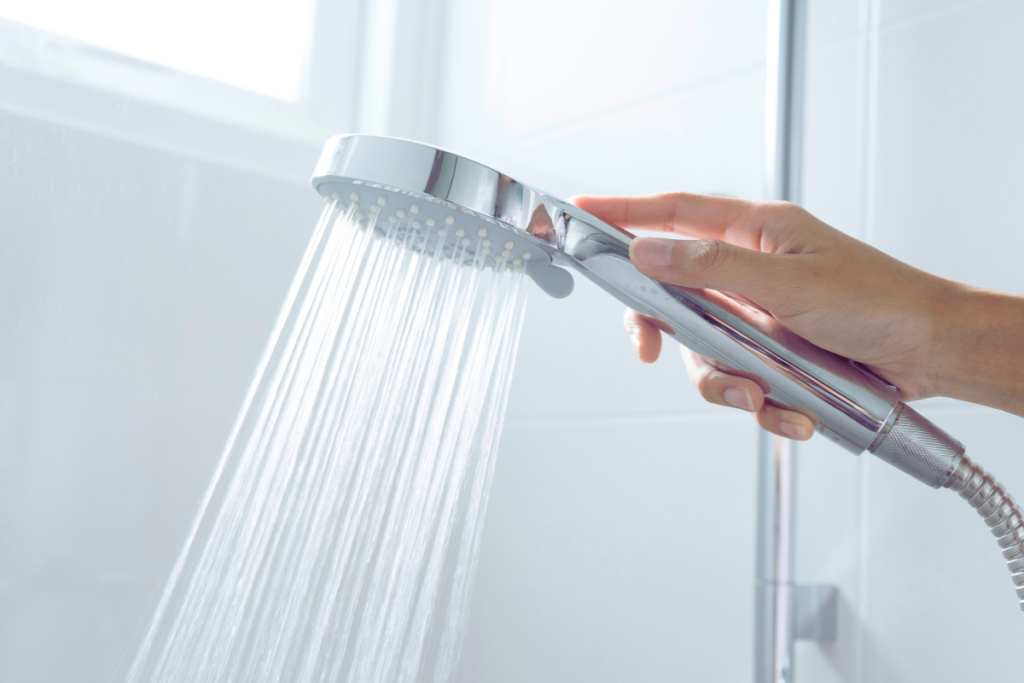
  • Water-saving showerheads: Modern showerheads can deliver a powerful stream of water while using much less than traditional models.

  • Faucets and aerators: Installing aerators on your kitchen and bathroom faucets reduces water flow while maintaining a strong stream, making your home more appealing to eco-conscious buyers.

2. Install a Tankless Water Heater

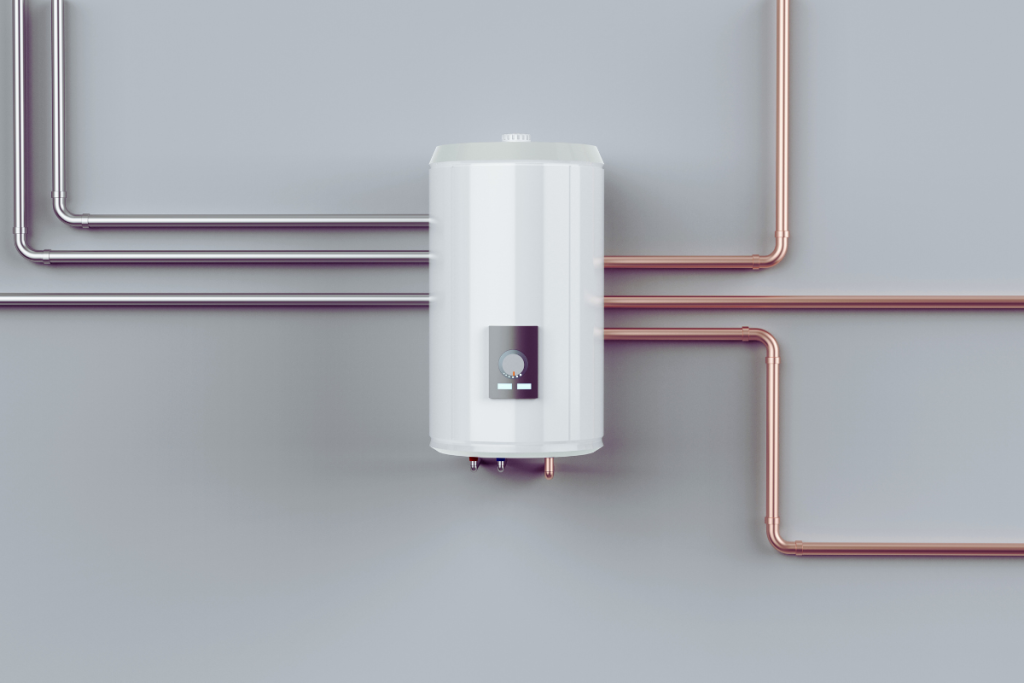
A tankless water heater is one of the most energy-efficient plumbing upgrades available. Unlike traditional water heaters, which constantly heat and store large amounts of water, a tankless unit heats water on demand. This can lead to significant energy savings and reduce your home’s overall energy consumption.

Tankless water heaters are compact, space-saving units that can be installed in smaller areas, freeing up valuable space in your home. They also have a longer lifespan than traditional water heaters, making them a wise investment for future homeowners.

3. Replace Old Pipes

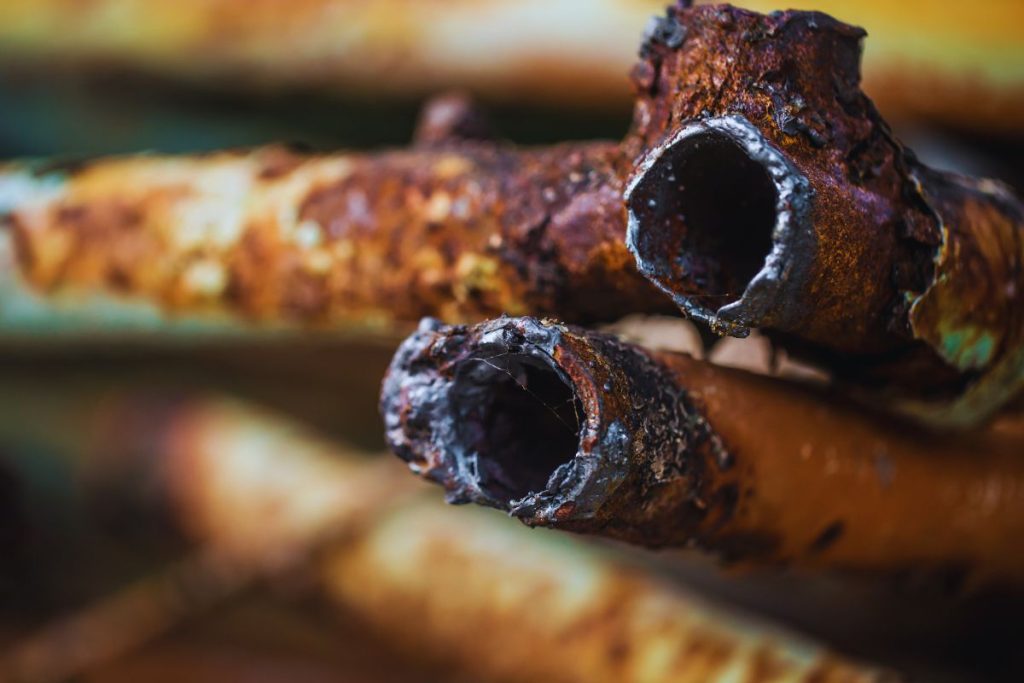
If your home has outdated or damaged plumbing pipes, replacing them with modern materials can not only improve functionality but also increase its value. New pipes, such as PEX or copper, are more durable and less prone to leaks or corrosion. This upgrade is particularly important for older homes where plumbing may be nearing the end of its lifespan.

4. Install a Water Filtration System

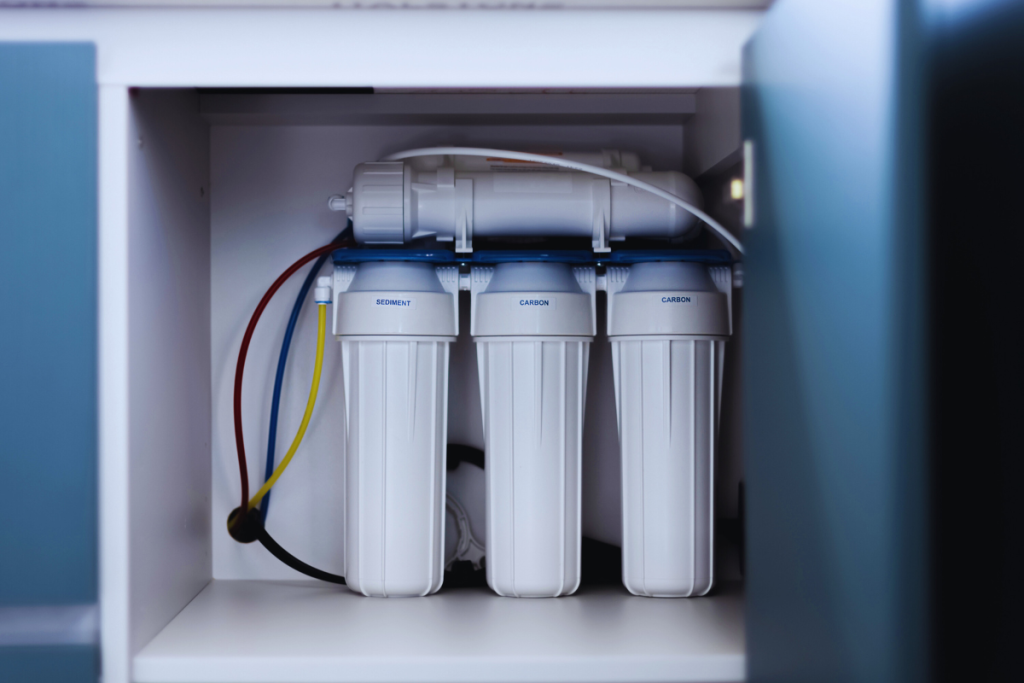
A whole-house water filtration system is an attractive feature for potential buyers who are concerned about water quality. These systems remove impurities and contaminants, ensuring clean and safe water throughout your home. Installing a high-quality filtration system can add value, especially in areas with hard water or concerns about water quality.

5. Update Your Bathroom and Kitchen Fixtures

Upgrading your bathroom and kitchen fixtures is a simple yet impactful way to improve your home’s plumbing and overall aesthetic. Consider replacing outdated faucets, installing new sinks, and upgrading your shower systems to make these areas more modern and appealing to buyers. Stylish, functional plumbing fixtures can significantly elevate your home’s appearance and increase its market value.

Final Thoughts 💡

Investing in plumbing upgrades, such as installing water-efficient fixtures and switching to a tankless water heater, can greatly increase your home’s resale value. Not only will these improvements make your home more attractive to potential buyers, but they will also help reduce energy costs and improve overall efficiency.

Thinking of upgrading? We can help with expert plumbing solutions.

Siegfried Plumbing has your back! We’re here to help homeowners in Courtenay, BC, with expert service and reliable solutions.

💧🔧📞 250 207 5488