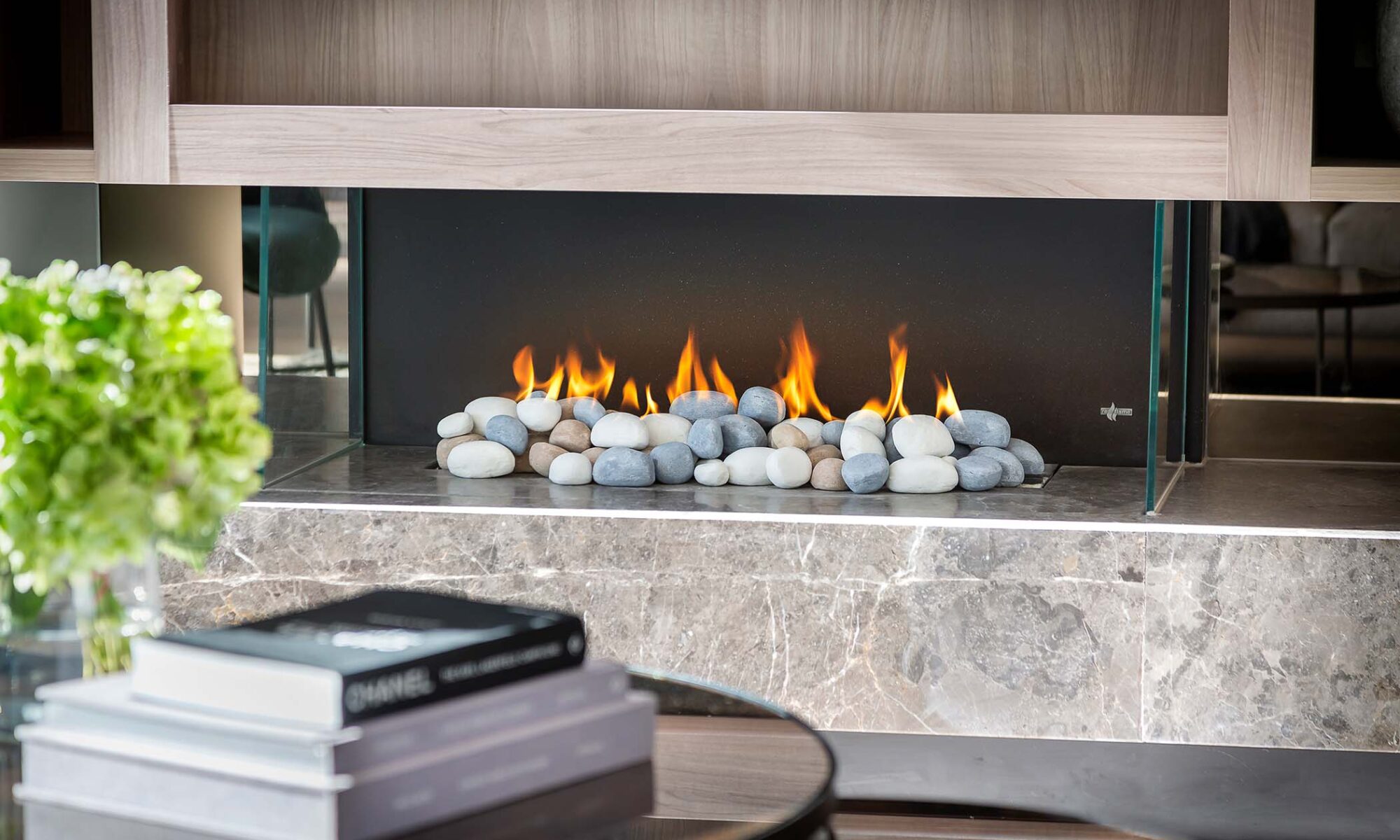
When the damp coastal cold settles into the Comox Valley and Campbell River, having a warm fire to gather around makes a home feel comfortable and inviting. Turning a wall switch or setting a thermostat gives you instant radiant heat and the ambience of real flames, without carrying firewood, sweeping up ash, or waiting for the furnace to warm the whole house. Whether you are planning a renovation, updating an older living space, or replacing an open hearth, planning a gas fireplace installation ensures your living area stays warm, safe, and efficient.
Installing or replacing a gas fireplace involves more than placing a steel box in a wall. Gas appliances require careful combustion planning, dedicated gas pipe sizing, approved venting pathways through exterior walls or existing flues, and mandatory safety inspections. Knowing what is involved from the initial site visit through to final testing helps you choose the right appliance style and prepare your space for installation day.
Choosing the Right Appliance: Inserts Versus Built-In Fireplaces
The layout of your room and your existing heating setup determine which type of unit fits your home best:
Upgrading an Existing Hearth with a Gas Fireplace Insert
If your home already features a traditional brick or stone fireplace, an open wood fire sends much of its heat straight up the chimney. A gas fireplace insert is engineered specifically to slide directly into that open cavity. Two flexible aluminum liners are routed up through the existing chimney flue: one to pull fresh combustion air down from the rooftop, and one to exhaust combustion fumes outside. The insert seals off the drafty damper, transforming an open draft hole into an efficient, sealed heating source while preserving your existing mantel and surround.
Framing a New Focal Point with a Zero-Clearance Fireplace
If you do not have an existing masonry fireplace, a factory-built, zero-clearance direct vent gas fireplace gives you complete architectural flexibility. These self-contained steel units feature insulated outer cabinets that can be framed directly into standard two-by-four wood framing and finished with drywall, stone, tile, or shiplap. They can be installed on an exterior wall, built into an interior partition, or integrated into a custom entertainment centre, bringing radiant heat into living rooms, basements, or primary suites.
Venting: How Modern Gas Fireplaces Breathe
Proper venting protects your indoor air quality and ensures steady burner operation:
- Direct-Vent Systems: Most modern installations rely on direct venting. A direct-vent unit features a completely sealed glass front that never draws air from inside your home. Instead, it utilizes a co-axial pipe system, with a smaller exhaust pipe nested inside a larger intake pipe, or twin flexible liners. Fresh outdoor air is drawn through the outer passage for combustion, while exhaust gases are expelled through the inner core. This sealed cycle prevents drafts, greatly reduces the risk of back-drafting, and provides high heating efficiency.
- B-Vent Systems: A B-vent appliance relies on a single pipe to exhaust flue gases upward through the roof, drawing its combustion air directly from the surrounding room. These units are typically mid-efficiency and require a continuous, dedicated source of indoor combustion air to prevent air-quality issues.
Sizing and Running the Gas Line for Your Fireplace
A gas fireplace demands a steady, uninterrupted supply of fuel. Before any pipe is laid, a qualified gas fitter calculates the total fuel load of your property. Every gas appliance in your home, such as a furnace, water heater or range, draws a specific volume of British Thermal Units. A dedicated gas line for fireplace use must be sized correctly so that all household appliances can run at maximum capacity during the coldest winter days without fuel starvation.
Piping is typically routed from the main gas meter or mechanical room manifold through floor joists, basements, or crawlspaces to the fireplace location. Black iron pipe or certified corrugated stainless steel tubing is run into the framing chase, terminating at a dedicated manual shutoff valve located within easy reach behind the fireplace access panel. In rural parts of the valley without natural gas service, the gas line connects to an exterior propane cylinder setup, requiring matched regulator pressures and burner orifices.
Permits, Codes, and Technical Safety BC Sign-Off
A permitted and professionally tested installation gives you total confidence in the safety of your home. In British Columbia, all new gas lines, fireplace inserts, and heating hookups require an official installation permit pulled through Technical Safety BC. This permit ensures the installation is officially recorded and meets provincial safety regulations.
Work must adhere strictly to the national CSA B149.1 Natural Gas and Propane Installation Code. Before the fireplace is connected, the new gas pipe rough-in is capped and pressurized with air to test the integrity of every threaded joint with an inspection gauge. Once the appliance is tied in, all fittings, flexible lines, and control valves are checked under working pressure with a non-corrosive leak detection solution, and the draft and flame characteristics are verified before the permit is closed.
Routine Gas Fireplace Service and Troubleshooting
Like any fuel-burning appliance, regular care keeps your fireplace running safely and efficiently. Booking annual gas heating and fireplace service before the cold weather arrives removes dust buildup, keeps burners clear, and keeps the fireplace ready for the cold months.
A comprehensive maintenance visit covers several key operating components:
- Pilot and Burner Cleaning: Over months of use, pet hair, dust, and spider webs collect around the pilot hood and burner ports. Cleaning these components ensures quiet ignition and prevents soot buildup on ceramic logs.
- Thermocouple and Thermopile Testing: These safety sensors generate the electrical millivolts needed to keep the internal gas valve open. If your pilot lights but goes out the moment you release the control knob, a dirty or degraded thermocouple is often the cause.
- Glass and Gasket Inspection: Direct-vent glass must maintain an airtight seal against the steel firebox. The technician checks the condition of the high-temperature rope gasket and cleans away white mineral haze from the inside of the glass using specialized ceramic cleaners.
- Control Valve and Switch Diagnostics: Wall switches, remote receiver boxes, and main gas valves are tested for smooth, safe operation.
Professional Fireplace Installation Across the Comox Valley
Working with experienced tradespeople protects your property and ensures dependable heat throughout the winter. John Siegfried is a Red Seal certified journeyman plumber and gas fitter with more than 25 years in the trade. At Siegfried Plumbing & Gas Ltd., our team brings hands-on trade knowledge to every installation, from running gas lines across complex crawlspaces to installing efficient inserts in older masonry hearths.
We are fully licensed, insured, and WorkSafeBC covered, handling everything from new gas fireplace installation in Courtenay to seasonal cleaning and troubleshooting throughout Comox, Cumberland, Royston, Union Bay, Fanny Bay, Merville, Black Creek, Oyster River, and Campbell River. You can read more about our background and company values on our about Siegfried Plumbing page.
Frequently Asked Questions
Can a gas fireplace heat my home during a winter power outage?
Yes, many models keep working during a power outage. Units equipped with standing pilot systems and millivolt valves generate their own small electrical charge from the pilot flame, allowing the fireplace to turn on with a simple wall switch without household electricity. In addition, some electronic ignition units include battery backup packs that power the controls if the power goes out.
Can I install a gas fireplace insert into my existing brick fireplace?
Yes. Converting an open wood-burning brick fireplace is one of the most common applications for a gas fireplace insert. A gas line is routed into the existing firebox, and two flexible aluminum venting pipes are pulled down the existing chimney to provide dedicated intake and exhaust pathways. The insert slides inside, and a custom decorative surround panel seals the remaining gap between the new unit and the original brickwork.
Do direct-vent gas fireplaces require a vertical chimney through the roof?
No. Direct-vent fireplaces offer flexible venting configurations. While they can vent vertically through a roof, they can also vent horizontally straight out through an exterior wall. This allows a new fireplace to be installed on ground floors, basements, or in rooms where running a vertical pipe through upper levels and the roof is impractical.
How often should my gas fireplace be inspected and serviced?
Most manufacturers recommend an annual service, ideally in early autumn before regular heating begins. An annual check cleans the burner assemblies, verifies safety shutoff operation, and cleans the viewing glass so the unit is ready for the cold season.
Can a gas fireplace be converted from natural gas to propane?
Most modern gas fireplaces can operate on either natural gas or propane using an approved manufacturer conversion kit. Because propane operates at higher pressure and delivers different combustion characteristics than natural gas, the conversion requires changing burner orifices, adjusting the main gas valve regulator, and fine-tuning pilot settings. This conversion must be completed by a certified gas fitter to ensure safe combustion.
Keep Your Living Space Warm and Comfortable
Adding a gas fireplace or insert brings steady, comfortable heat to your living room or family space. If you are thinking about adding a new unit or converting an older chimney, we are happy to look at your layout, walk through your options, and ensure everything is installed neatly and safely. Siegfried Plumbing & Gas provides free estimates and same-day service seven days a week, from 8am to 6pm, across Courtenay, Comox, Cumberland, and Campbell River. Call 250-207-5488 or reach out online to get a free estimate for your fireplace project.