
Living on coastal Vancouver Island means welcoming steady, extended rainfall from late autumn through early spring. In communities like Courtenay, Comox, Cumberland, and Campbell River, winter storms bring sustained ground moisture that tests every part of a home drainage system. Beneath the surface, your perimeter drains and sump pump work together as your primary defence against moisture, collecting subsurface water and directing it safely away from concrete footings, basements, and crawlspaces.
Taking time for seasonal sump pump maintenance before the heavy rains set in gives you peace of mind that your equipment will run smoothly when water tables rise. Whether your home has a finished basement, an open crawlspace, or outdoor yard drainage, understanding how these systems work together helps you catch simple issues early, plan routine service, and keep your foundation dry all season long.
How Perimeter Drains and Weeping Tile Protect Your Foundation
Your home foundation sits in soil that absorbs and holds rainfall. As water accumulates in the ground, it creates hydrostatic pressure against concrete foundation walls and floor slabs. To relieve this pressure, homes are built with a perimeter drainage system, traditionally known as weeping tile.
Perimeter drains consist of perforated pipe installed along the exterior base of the concrete footing. The pipe is wrapped in filter fabric and surrounded by washed drain rock to allow water to filter in while keeping silt and sand out. As groundwater rises, it drops through the stone, enters the perforations in the pipe, and flows by gravity away from the house. Depending on your property grade and local municipal storm connections, that water either drains to a city storm main, discharges down a slope, or empties directly into an interior or exterior sump basin.
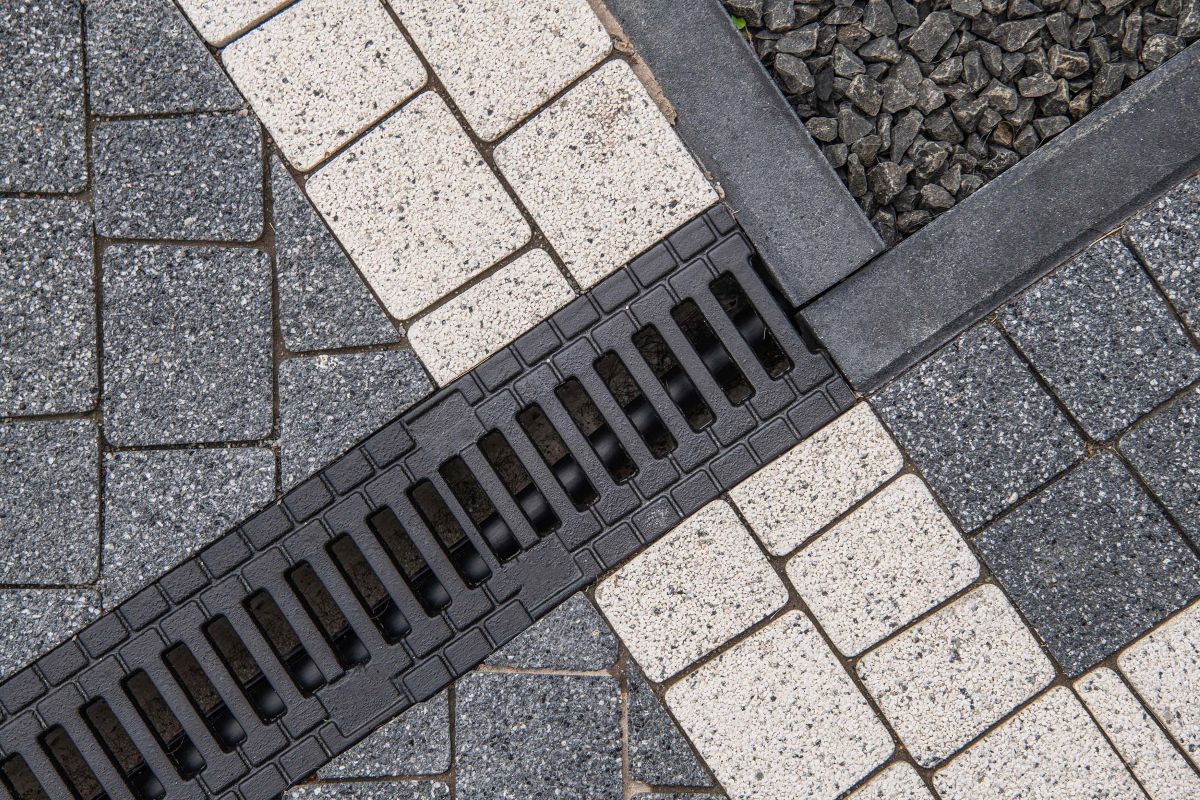
On properties with high water tables or low-lying ground, gravity alone cannot move water away fast enough. That is where a dedicated sump pump system takes over, collecting drainage runoff and pumping it upward and outward to designated discharge points. For older properties or homes needing updated stormwater management, professional perimeter drain and weeping tile work can include installing new perforated pipe, tying in French drains for surface pooling, or adding catch basins and trough drains along driveways and patios.
What Homeowners Can Check on a Sump Pump
You do not need specialized plumbing tools to perform a basic visual inspection of your sump pump system. Taking fifteen minutes to look over the basin before the storm season begins is an excellent preventative habit:
- Inspect the Sump Basin: Look inside the pit. Silt, small stones, and construction debris can settle into the bottom of the basin over time. Clearing out loose dirt by hand prevents debris from entering the pump intake screen.
- Test the Float Switch: Sump pumps turn on and off using a mechanical float that rises with the water level. Ensure the float moves freely up and down without rubbing against the basin wall, power cords, or discharge pipe. A float that catches on a wire can keep the pump running dry or prevent it from turning on when water arrives.
- Run the Bucket Test: Pour a five-gallon bucket of water slowly into the sump pit. As the water level rises, the float should lift, activate the motor, quickly pump the water out of the basin, and smoothly drop down to shut the pump off.
- Check the Electrical Connection: Confirm the pump cord is plugged securely into its own outlet. Avoid using extension cords, which can cause voltage drops and stress the pump motor.
- Examine the Outside Discharge Point: Walk outside to locate where the pump discharge line exits your home. Check that the end of the pipe is clear of fallen leaves, garden mulch, and soil buildup so pumped water can flow freely away from your foundation.
Signs Your Drainage System Needs Attention
Drainage systems usually give early signs before they need repair. Paying attention to small changes in how your equipment operates or how the ground behaves around your foundation helps you identify components that need service before winter arrives:
- The Pump Runs Continuously: If your pump runs nonstop even during light weather, the float switch may be stuck in the up position, or the check valve may have failed, allowing pumped water to fall back into the pit and trigger repeated cycles.
- The Pump Will Not Turn On: If water fills the pit above the normal activation level and the pump remains silent, there may be an electrical interruption, a failed float switch, or a seized motor.
- Unusual Grinding or Humming Noises: A loud humming sound often indicates the motor is receiving power but the impeller is jammed by gravel or debris. Grinding noises suggest internal mechanical wear in the motor bearings or impeller assembly. When these symptoms appear, scheduling timely sump pump installation and repair in Courtenay resolves the underlying issue before the wet season peaks.
- Soggy Ground Along the Exterior Wall: Muddy, spongy soil or standing puddles along your foundation often point to clogged or damaged perimeter pipe that is no longer carrying water away from the footings.
- Dampness in the Crawlspace or Basement: Musty odours, high humidity, efflorescence on concrete walls, or damp patches on the slab mean groundwater is accumulating around the foundation rather than flowing smoothly through the drainage lines.
What a Professional Sump Pump Service Covers
While a homeowner bucket test verifies basic operation, a comprehensive trade inspection looks deeper into mechanical performance, line capacity, and electrical safety. Coordinating a drainage checkup alongside your general winter plumbing maintenance checklist ensures your entire system is ready for heavy rain.
During a professional service visit, a plumber performs several key evaluations:
- Pump and Impeller Inspection: The pump is removed from the basin, the intake screen is cleaned, and the impeller is inspected for wear, play, or foreign debris that could reduce pumping volume.
- Check Valve Testing: The one-way check valve installed on the vertical discharge pipe prevents gallons of lifted water from flowing backward into the basin when the pump turns off. The technician verifies the valve seals tightly and opens freely under pump pressure.
- Basin and Pipe Sizing: Sump basins and pumps must be sized to the amount of water the drains bring in. A technician confirms the basin depth, horsepower, and discharge line diameter meet the demands of your property and comply with the BC Plumbing Code.
- Discharge Line Integrity: The plumber checks the discharge pipe for proper slope, secure support brackets, and correct exterior termination to prevent water from recirculating back toward the foundation.
Looking Inside the Pipe with a Camera Inspection
Because perimeter weeping tile is buried several feet beneath topsoil, gravel, and landscaping, diagnosing underground blockages used to require exploratory digging. Today, modern drain inspection cameras take the guesswork out of drainage assessments.
During a camera inspection, a high-resolution, flexible camera is guided directly through the perimeter drain lines. The camera feed reveals the exact condition of the pipe interior in real time, pinpointing tree root intrusion, crushed or cracked pipe sections, heavy sediment accumulations, or disconnected fittings. Identifying the precise location and cause of a blockage allows for targeted perimeter drain cleaning or localized repairs, avoiding the need for extensive excavation across your yard or driveway.
Experienced Drainage Service Across the Comox Valley
Keeping water away from your foundation requires knowledgeable trade experience and proper equipment. John Siegfried brings more than 25 years of hands-on experience as a Red Seal certified journeyman plumber and gas fitter. At Siegfried Plumbing & Gas Ltd., our team approaches every drainage project with practical solutions tailored to local soil, weather, and property conditions.
We are fully licensed, insured, and WorkSafeBC covered, completing every repair and installation to BC Plumbing Code. We serve homeowners across Courtenay, Comox, Cumberland, Royston, Union Bay, Fanny Bay, Merville, Black Creek, Oyster River, and Campbell River. You can learn more about our company values and background on our about Siegfried Plumbing page.
Frequently Asked Questions
How often should I test my sump pump?
Testing your sump pump two to three times a year is good practice, especially in early autumn before winter rains begin and again in late winter during peak wet weather. Simply pour a bucket of water into the basin to ensure the float switch rises, activates the pump, and clears the water without hesitation.
What does a check valve do on a sump pump system?
A check valve is a one-way flap installed on the discharge pipe just above the pump. When the pump runs, the valve opens to let water flow out of the home. When the pump stops, the valve closes tightly to prevent water remaining in the vertical pipe from draining back into the pit. This stops the pump from turning on repeatedly to pump the exact same water twice.
How does a drain camera inspection help with weeping tile?
A camera inspection allows a technician to see the interior of your buried perimeter drains on a high-definition monitor. It identifies exact problem areas, such as tree root infiltration, sediment blockages, or collapsed pipe sections, so repairs can be made precisely where needed without digging up your entire yard.
Why does my sump pump hum without pumping water?
A humming sound usually means the motor is receiving electricity, but the impeller cannot spin. This is commonly caused by a small rock or debris wedged in the intake, or by internal wear in the motor. Turn off power to the unit immediately and have a plumber inspect the pump to avoid burning out the motor.
What is the difference between weeping tile and a French drain?
Weeping tile refers to the perforated pipe installed deep underground along your foundation footings to capture rising groundwater before it reaches the basement or crawlspace floor. A French drain is typically a shallower gravel trench with a perforated pipe designed to collect and redirect surface water pooling on lawns, patios, or sloped driveways.
Keep Your Foundation Dry This Winter
Preparing your drainage system before the winter storm season arrives is one of the simplest ways to protect your foundation and keep your lower living spaces comfortable. Whether you need a seasonal pump test, a camera inspection of your perimeter lines, or a new sump pump installation, our team is ready to help. Siegfried Plumbing & Gas provides free estimates and same-day service seven days a week, from 8am to 6pm, across the Comox Valley and Campbell River. Call 250-207-5488 or contact us online to get a free estimate for your drainage project.