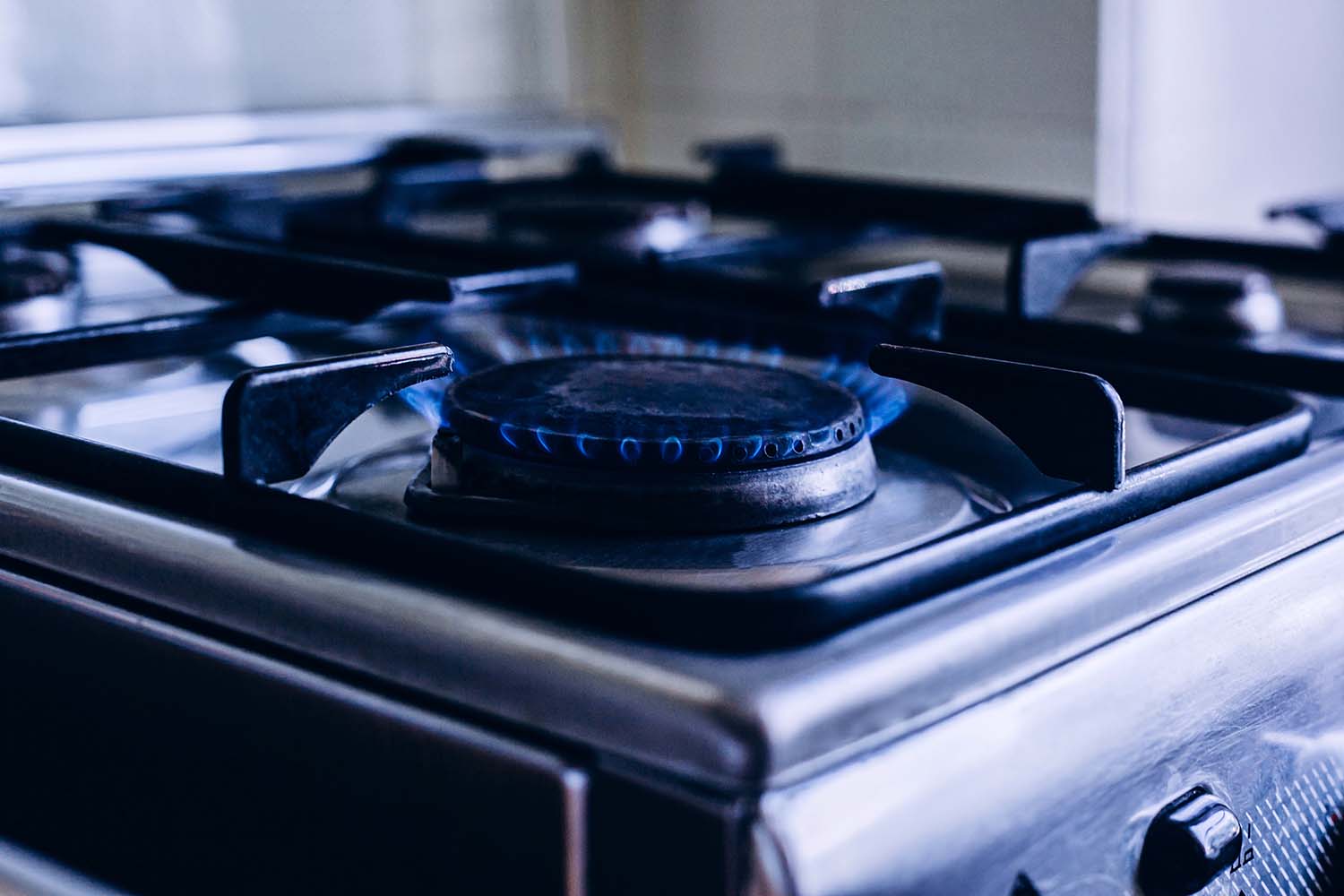
Cooking on an open flame offers an immediate responsiveness that electric elements cannot match. When you turn the dial on a gas cooktop, the heat changes instantly, giving you precise control whether you are searing a steak in a cast-iron pan or keeping a delicate sauce at a steady simmer. For homeowners across Courtenay, Comox, Cumberland, and Campbell River, planning a gas stove installation is one of the most popular kitchen improvements.
Switching from electric to gas or replacing an older unit involves more than unboxing an appliance and sliding it into the cabinet opening. Gas work is life-safety work. Delivering fuel safely to your kitchen requires calculating line capacity, running pipe through structural framing, installing safety shutoffs, pulling provincial permits, and verifying that the burners fire with clean combustion. Understanding the installation process helps you plan your project, coordinate your trades, and ensure your home stays safe and compliant with British Columbia safety codes.
Choosing Between Natural Gas and Propane
The first factor in any gas range installation is your fuel supply. In urban neighbourhoods throughout Courtenay and Campbell River, FortisBC supplies utility piped natural gas directly to residential meters. In rural areas, outlying acreages, or streets without main line gas infrastructure, homeowners rely on stored propane supplied by on-site tanks.
While natural gas and propane serve the same cooking functions, they operate at different pressures and fuel-to-air ratios. Propane burns hotter and requires a different delivery pressure than natural gas. Most major appliance manufacturers ship ranges configured for natural gas, but include a liquid propane conversion kit in the box. A proper propane range installation requires swapping out the brass burner orifices, adjusting the internal pressure regulator, and fine-tuning the low-flame simmer settings on every valve. This conversion must be handled by a certified gas fitter to prevent rich, sooty combustion, carbon monoxide buildup, or burner failure.
Sizing and Running the Gas Line for Your Stove
A gas range cannot simply be tied into the nearest convenient pipe. Every home has an allowable gas capacity based on the size of the incoming meter or tank regulator, the length of the total pipe run, and the combined British Thermal Unit demand of all appliances on the system. When adding a gas line for stove use, a gas fitter must calculate whether the existing system can feed the range while the furnace, water heater, and fireplace are firing at full capacity.
If the existing lines are undersized, turning on multiple oven burners can starve your heating appliances of fuel, leading to improper combustion or safety lockouts. Once sizing calculations are complete, the new supply pipe is routed from the main manifold or meter through the basement, crawlspace, or floor joists. When homeowners undertake kitchen redos or full renovation plumbing, running the gas pipe rough-in while drywall and subfloors are open makes the job straightforward and keeps all pipework neatly concealed behind finished surfaces.
What Happens on Installation Day
When the installation team arrives, the work moves through a sequence designed to protect your home and ensure dependable operation:
- Gas Supply Isolation: The gas supply is shut down at the meter or downstream branch valve so the new pipework can be tied in safely.
- Pipe Rough-In and Termination: Rigid black iron or certified flexible gas piping is brought through the floor or wall directly behind the appliance location, leaving enough clearance for the range to sit flush against the wall.
- Dedicated Manual Shutoff Valve: A manual quarter-turn shutoff valve is installed behind or immediately adjacent to the stove. Provincial regulations require this valve so anyone can isolate the fuel supply quickly during servicing or an emergency.
- Certified Flex Connector: The stove connects to the rigid shutoff valve using an approved, coated stainless steel flexible connector. This connector allows the stove to be pulled out for cleaning or maintenance without stressing the gas joint.
- Appliance Positioning: The unit is leveled and set into place, whether you have chosen a freestanding range, a slide-in model that overlaps the countertop, or a drop-in commercial range top set into an island.
- Burner Commissioning: Every cooktop and oven burner is lit and adjusted. The flame should show a crisp, steady blue cone without yellow tipping, whistling, or lifting from the burner ports.
Adding an Outdoor BBQ Line While the Gas Fitter Is on Site
If you are already running a new gas pipe from your meter or utility room to the kitchen, it is the ideal time to run an exterior branch to your deck or patio. An outdoor natural gas BBQ hookup eliminates the hassle of refilling, storing, and swapping heavy propane tanks in the middle of preparing a meal.
A gas fitter runs a dedicated pipe out through the rim joist, terminates the line with a weatherproof manual shutoff, and installs an approved quick-connect box. Your barbecue connects with a flexible rubber hose that clicks into place in seconds. Because the line ties into your home fuel supply, you enjoy endless grilling fuel with zero tank maintenance. Adding this line while permits are open and pipe equipment is on site saves significant labour compared to booking a standalone job later.
Permits, Codes, and Safety Testing
A permitted, tested gas installation gives you complete confidence that your fuel lines and appliances operate safely and efficiently. In British Columbia, pulling an official installation permit through Technical Safety BC confirms that the work complies with provincial standards and is recorded properly for your property records.
Every professional installation is built strictly to the national CSA B149.1 Natural Gas and Propane Installation Code. Before any gas is introduced into new pipework, the entire line is capped and subjected to an air pressure test using an inspection gauge. The system must hold high pressure for a designated period without the needle dropping, proving the joints are completely gastight. After the appliance is tied in, all threaded fittings, flex lines, and valves undergo soap bubble testing under working pressure before the installation is officially signed off.
Why Experience Matters for Kitchen Gas Fitting
Handling fuel lines requires licensed expertise and specialized equipment. Working with an experienced professional ensures your line is properly sized, your appliance warranty remains valid, and your kitchen meets every provincial safety requirement. John Siegfried brings more than 25 years in the trade as a Red Seal certified journeyman plumber and gas fitter. At Siegfried Plumbing & Gas Ltd., every project is completed to code, pressure-tested, and fully covered by insurance and WorkSafeBC.
Whether you need a new line routed through a crawlspace, an electric-to-gas conversion, or complete gas line and appliance hookups for a renovated kitchen, using a licensed contractor ensures every connection is completed properly. You can learn more about our company standards and background on our about Siegfried Plumbing page.
Frequently Asked Questions
Can I install a gas stove myself in British Columbia?
Technical Safety BC does allow homeowners to apply for a homeowner gas permit to perform work on their own fully detached, owner-occupied home, subject to an official inspection. However, most homeowners choose to hire a licensed gas fitter. Sizing pipe correctly, making leak-free threaded joints, running pressure tests with an inspection gauge, and adjusting appliance regulators require specialized tools and trade experience. Having a licensed professional handle the work ensures the line is sized properly, tested accurately, and signed off under a professional permit.
Can an electric stove electrical outlet be used for a gas stove?
Most electric stoves plug into a heavy 240-volt, 40-amp or 50-amp electrical receptacle. Gas stoves only require electricity to power the digital display, oven light, and electronic spark igniters, which run on a standard 120-volt, 15-amp household circuit. During an electric-to-gas conversion, an electrician or qualified tradesperson can install a standard 120-volt outlet behind the range or cap the old heavy wiring.
Can any natural gas range be converted to run on propane?
Most modern residential ranges are convertible, meaning they can be adjusted using the manufacturer liquid propane conversion kit. However, older or commercial-style ranges might require specific factory manifolds. A licensed gas fitter will verify the appliance rating plate, replace the burner spuds, adjust the pressure regulator, and test combustion to confirm safe operation.
Do I need a kitchen exhaust hood over a gas stove?
A kitchen exhaust hood vented directly outdoors is strongly recommended. Gas cooking produces heat, water vapour, and trace combustion byproducts such as nitrogen dioxide and carbon monoxide. A dedicated range hood removes excess heat and moisture, maintaining safe indoor air quality in modern, tightly sealed homes.
How long does a gas stove installation take?
Connecting a stove to an existing gas line with a shutoff valve already in place is quick. Running a brand-new gas line from your meter or utility room through a crawlspace or basement takes longer. When you book a free estimate, the gas fitter will assess your home layout and provide an accurate timeframe for your specific job.
Ready for Clean, Responsive Cooking?
Upgrading your kitchen with a natural gas or propane stove brings professional-grade cooking performance into your home. Ensure your new appliance is installed safely and legally. Siegfried Plumbing & Gas provides free estimates and same-day service seven days a week, from 8am to 6pm, throughout the Comox Valley and Campbell River. Call 250-207-5488 or contact us online to get a free estimate for your gas stove project.